
Pain is strange, isn’t it? It’s universal—everyone experiences it—yet completely subjective. What feels like a minor annoyance to one person can be debilitating to another. And for something so central to the human experience, we’re still figuring out how to deal with it.
Most of us reach for ibuprofen, acetaminophen, or aspirin when pain hits. And look, those work. They’re cheap, accessible, and reasonably effective. But they’re not without problems. Long-term NSAID use can damage the stomach lining and kidneys. Acetaminophen is hard on the liver, especially if you drink alcohol. And opioids? Well, we all know how that story goes.
This is why natural painkillers keep coming up in conversation. Not because pharmaceutical drugs are useless—they’re not—but because people are increasingly interested in options that might work with the body rather than just suppressing symptoms. Options that have been used for centuries, long before anyone figured out how to synthesize ibuprofen in a lab.
Here’s the thing, though: “natural” doesn’t automatically mean safe or effective. Poison ivy is natural. So is arsenic. The question isn’t whether something comes from a plant. The question is whether it actually works, and what the trade-offs are.
What follows is a careful look at ten natural substances that have been studied for pain relief. Some of them show real promise. Others are more hype than substance. And a few fall somewhere in between—helpful for certain types of pain, useless for others, and with side effects that are worth knowing about.
Before We Start: A Quick Word on How Pain Works
This matters because different painkillers work on different parts of the pain pathway.
Pain starts somewhere in the body—an injury, inflammation, nerve dysfunction. That signal travels along nerves to the spinal cord and up to the brain, where it’s interpreted as pain. Along the way, various chemicals amplify or dampen the signal. Prostaglandins make nerves more sensitive. Substance P transmits pain signals between nerves. Cytokines drive inflammation.
Pharmaceutical painkillers typically target specific steps in this pathway. Ibuprofen blocks COX enzymes, reducing prostaglandin production. Opioids bind to receptors in the brain, changing how pain is perceived.
Natural painkillers tend to be messier. They often contain multiple active compounds that work through multiple pathways. This can be good—they might address pain from several angles—but it also makes them harder to study and harder to standardize. A garlic clove from one farm isn’t chemically identical to a garlic clove from another farm. Weather, soil, and harvest time all affect the compounds inside.
Keep this in mind as we go through the list. The research I’m citing used specific preparations at specific doses. Your experience with a grocery store product might be different.
1. Turmeric (Curcumin)
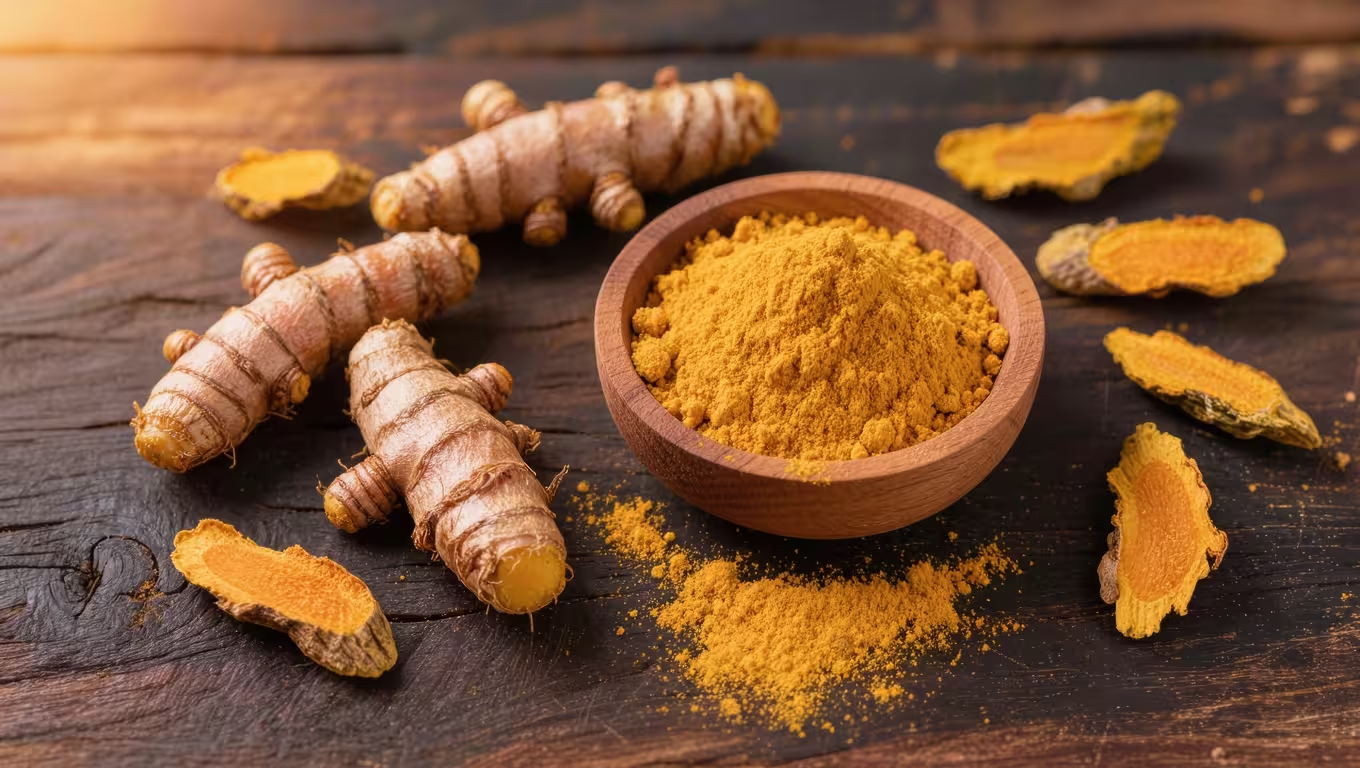
Best for: Arthritis pain, joint inflammation
Turmeric has become incredibly popular in recent years, and for good reason. The yellow spice contains curcumin, a compound that’s been shown in dozens of studies to reduce inflammation.
Here’s how it appears to work: inflammation is controlled partly by a molecule called NF-kB, which acts like a switch inside cells—turning on genes that produce inflammatory chemicals. Curcumin seems to block that switch. Less NF-kB activation means less inflammation.
The research on arthritis is reasonably solid. A 2016 study in the Journal of Medicinal Food compared curcumin to ibuprofen in people with knee osteoarthritis. After four weeks, both groups reported similar pain relief. The curcumin group had fewer stomach problems.
But there’s a catch, and it’s a big one. Curcumin is poorly absorbed. Eat turmeric straight, and most of it passes through your digestive system without ever entering your bloodstream. This is why traditional Indian cooking pairs turmeric with black pepper—piperine in black pepper increases curcumin absorption by about 2,000%. Fat also helps, since curcumin is fat-soluble.
So if you’re trying this at home, here’s what might actually work: cook turmeric with oil and black pepper. Or look for supplements that include piperine or use advanced delivery systems. Without these, you’re probably not getting much.
Read More on Turmeric – Curcumin: The Golden Anti-Inflammatory – Nature’s Most Powerful Inflammation Regulator
2. Ginger
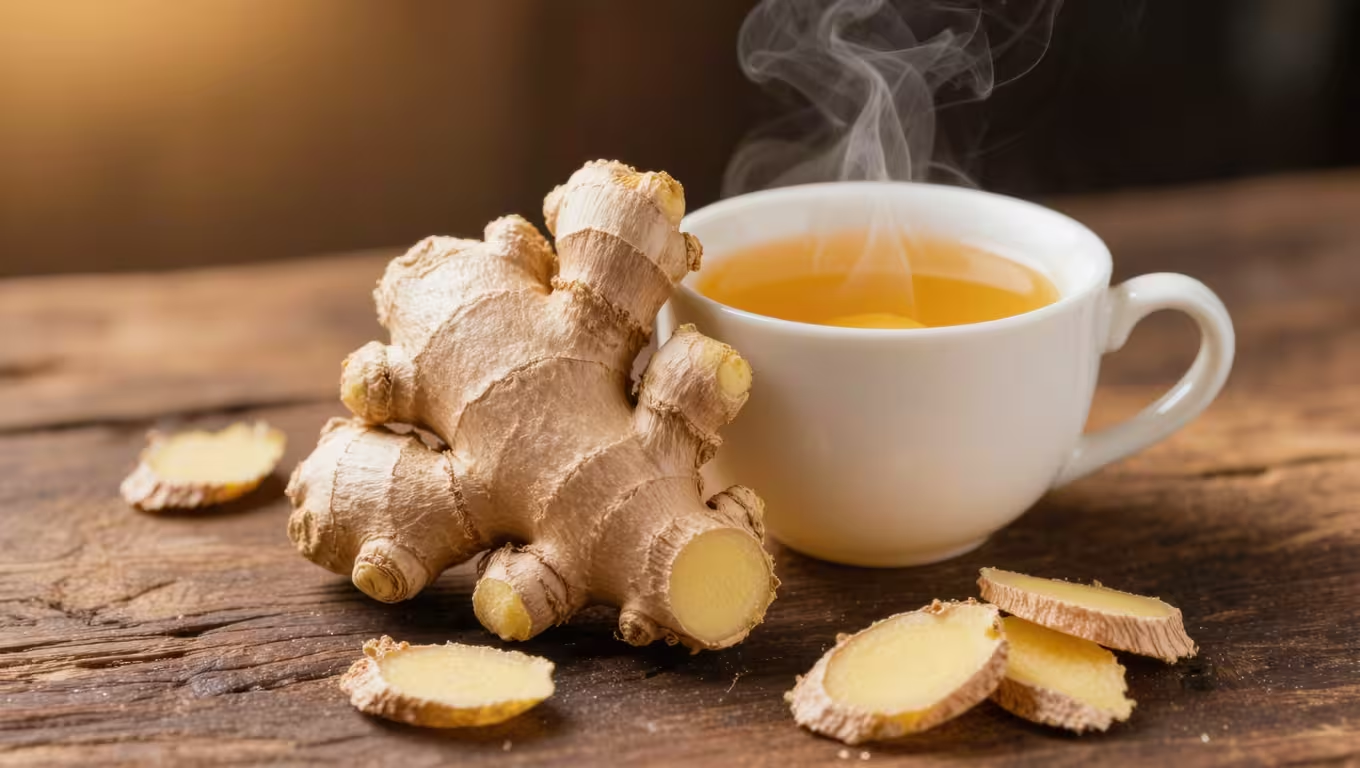
Best for: Menstrual pain, muscle soreness, osteoarthritis
Ginger is one of those remedies that’s been used for so long, in so many cultures, that you have to wonder if there’s something to it. The Greeks were importing it from Asia for medicinal use over 2,000 years ago. The Chinese have been prescribing it for inflammatory conditions for just as long.
The active compounds here are gingerols and shogaols, and they appear to work similarly to NSAIDs—by inhibiting COX enzymes—but with a different chemical structure that might be gentler on the stomach.
For menstrual pain, the research is actually quite good. A 2009 study in the Journal of Alternative and Complementary Medicine compared ginger to ibuprofen and mefenamic acid in women with painful periods. All three worked. The ginger group reported significant pain reduction, and there wasn’t much difference between the groups.
For muscle soreness, the evidence is more mixed but still positive. One study found that consuming raw or heated ginger daily reduced exercise-induced muscle pain by about 25%. Another found that ginger supplements helped with recovery after eccentric exercise—the kind that causes the most soreness.
For osteoarthritis, the data is promising but inconsistent. Some studies show clear benefits. Others find little effect. A 2015 Cochrane review concluded that ginger “may lead to a small to moderate reduction in pain” but noted that the quality of evidence was low.
What’s interesting: heat seems to matter. One study specifically compared raw ginger to heated ginger and found that both worked, but heated ginger was slightly more effective. The researchers speculated that heat might convert some gingerols into more potent shogaols.
3. Cloves
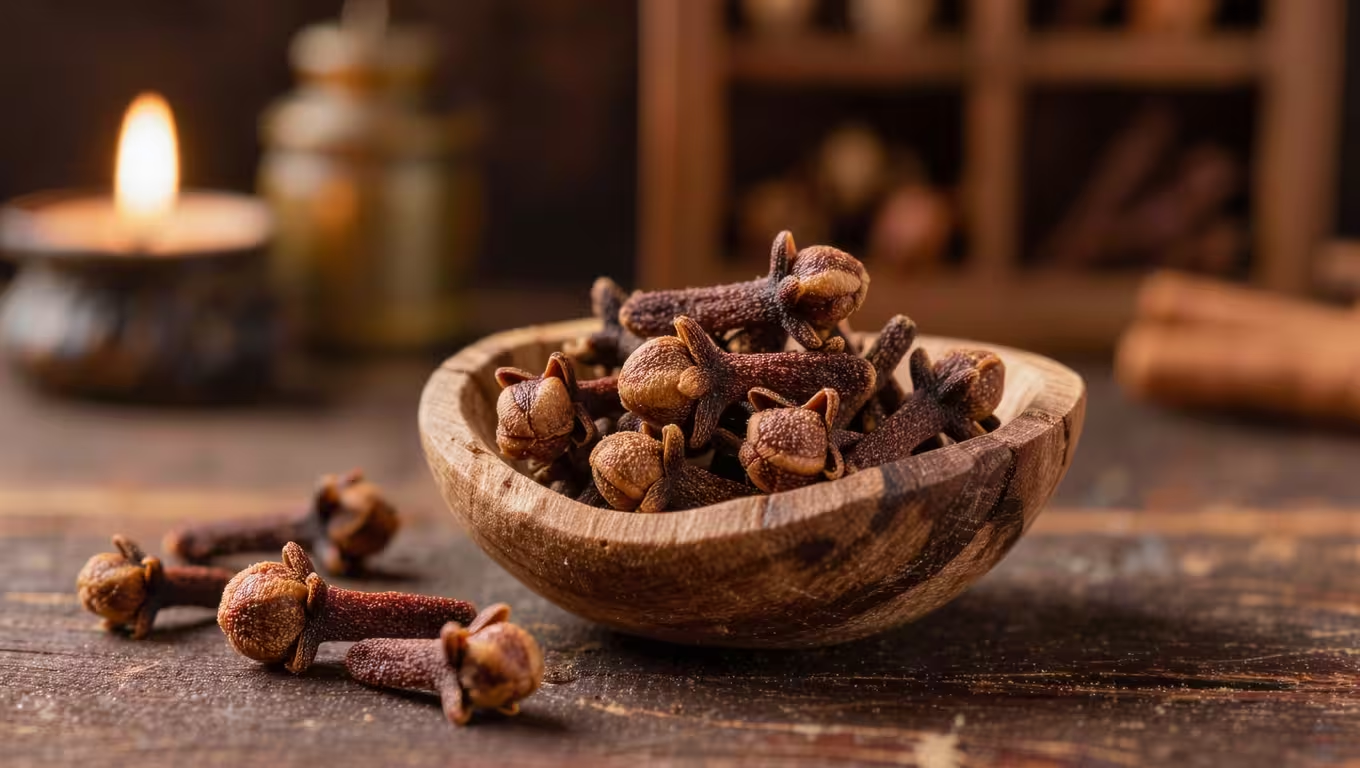
Best for: Toothache, dental pain
If you’ve ever had a toothache in the middle of the night, you know how desperate the situation can feel. The pain is sharp, relentless, and seems worse because you can’t do anything about it until morning.
Cloves have been used for dental pain for centuries, and here’s the rare case where traditional use lines up almost perfectly with modern science.
The active compound is eugenol, which makes up 70-90% of clove oil. Eugenol is a natural anesthetic—it numbs nerve endings. It’s also antiseptic and anti-inflammatory. In fact, eugenol is still used in dentistry today, often mixed with zinc oxide to make temporary fillings.
Research bears this out. A 2006 study in the Journal of Dentistry compared clove gel to benzocaine gel (the numbing agent in many over-the-counter toothache products) and found they worked equally well for reducing pain from needle injections. Both outperformed placebo.
For home use: a drop of clove oil on a cotton ball, applied to the affected tooth, can provide temporary relief. But there’s a caution here. Clove oil is potent. Undiluted, it can irritate gums and mucous membranes. And swallowing too much can cause serious problems—eugenol is toxic in large doses. A drop or two on a cotton ball is fine. Drinking the bottle is not.
4. Tart Cherries
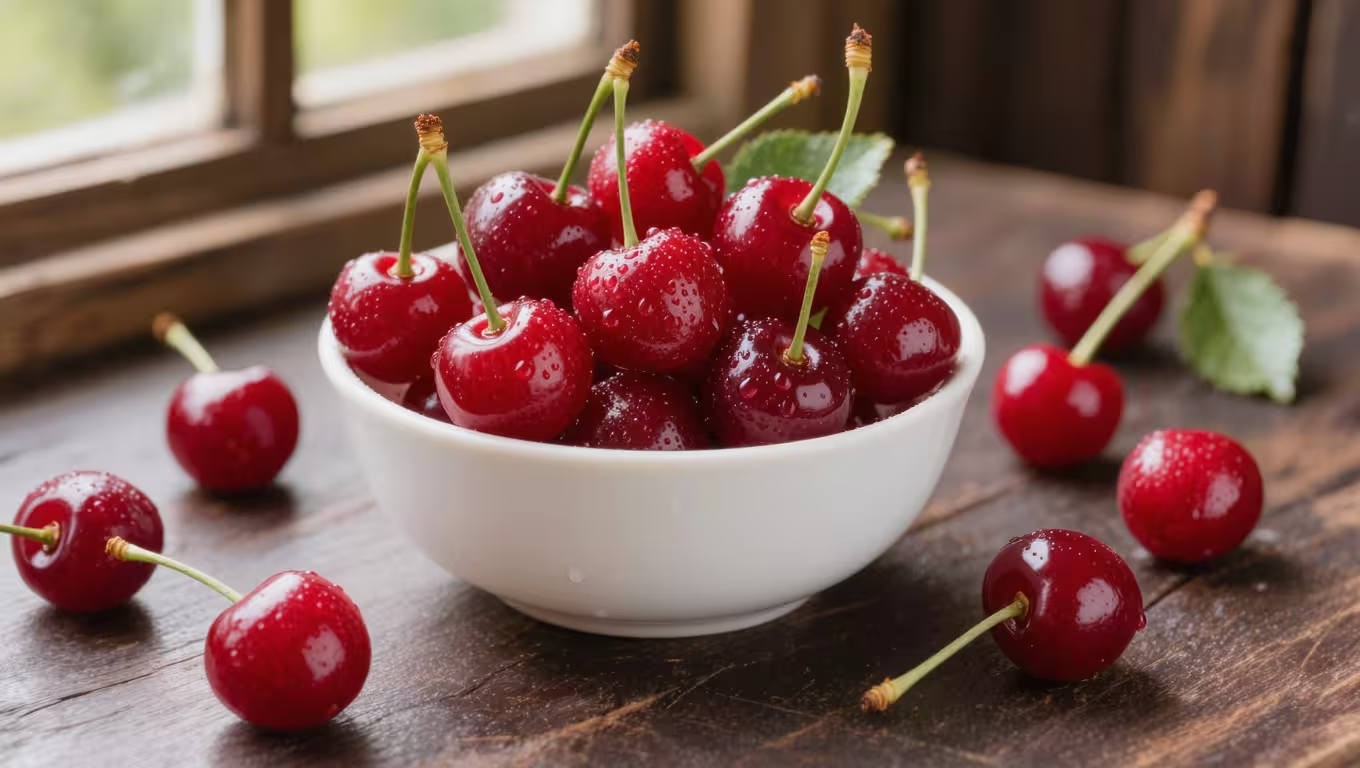
Best for: Gout, exercise-induced muscle pain
Tart cherries—sometimes called sour cherries—are different from the sweet cherries you eat fresh. They’re too sour for most people to enjoy raw, which is why they’re usually sold as juice, dried fruit, or concentrate.
What makes them interesting is their anthocyanin content. These are the pigments that give cherries their red color, and they’re also potent anti-inflammatory compounds. Some research suggests they work similarly to ibuprofen, just through different biochemical pathways.
The most compelling evidence is for gout. Gout happens when uric acid crystallizes in joints, causing excruciating pain. A 2012 study from Boston University followed 633 people with gout and found that those who ate cherries for two days had a 35% lower risk of gout attacks. When cherry consumption was combined with the standard gout medication allopurinol, the risk dropped by 75%.
For muscle pain, the evidence is more mixed but still interesting. A study of runners found that drinking tart cherry juice for a week before a marathon resulted in less muscle pain afterward. Another study found similar benefits for recovery after strength training.
The mechanism appears to be twofold: cherries reduce inflammation directly, and they also seem to lower uric acid levels. How much cherry you need isn’t entirely clear, but most studies used the equivalent of about 8-16 ounces of juice or 1-2 cups of cherries daily.
5. Willow Bark
Best for: Lower back pain, osteoarthritis
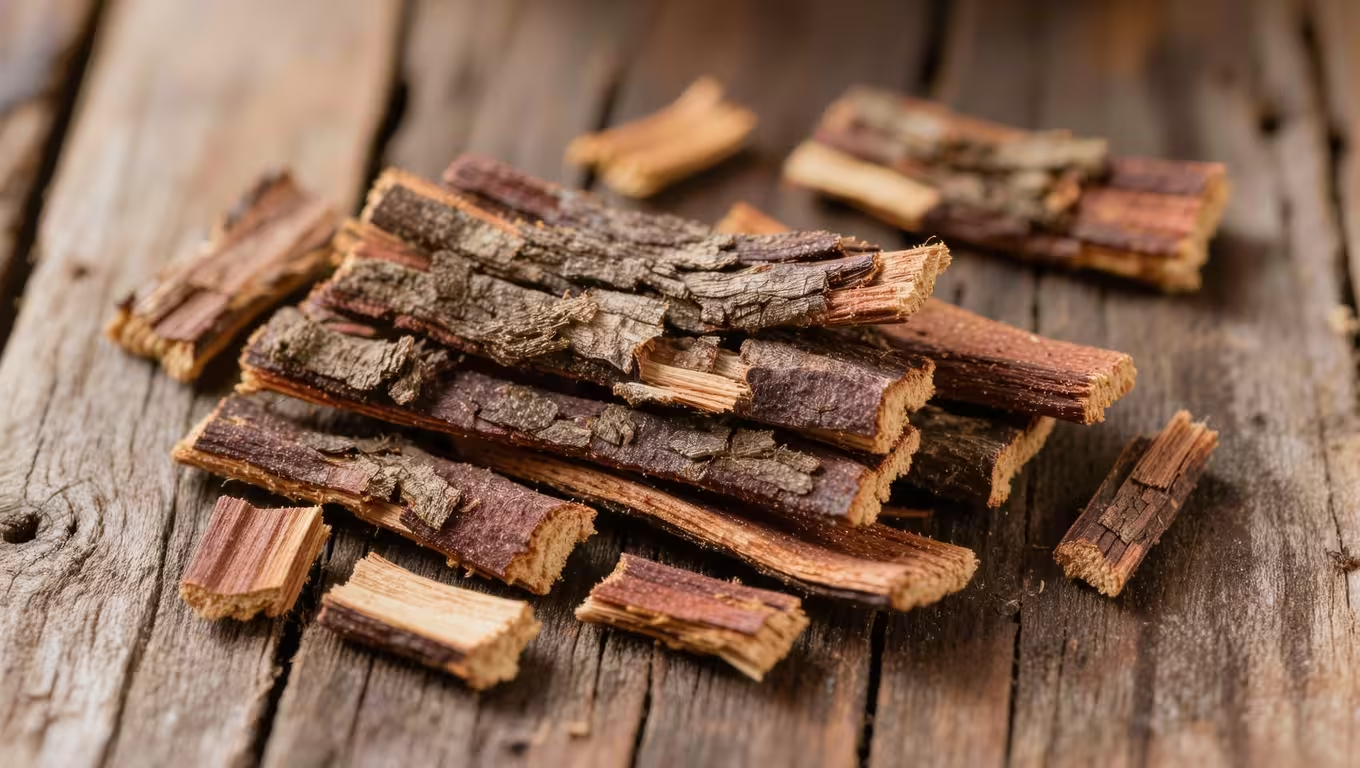
Willow bark is historically fascinating. The ancient Egyptians used it for pain. Hippocrates recommended it for fever and inflammation. And in the 1800s, scientists isolated the active compound—salicin—which eventually led to the development of aspirin.
Yes, aspirin comes from willow. The connection is that direct.
Salicin is converted to salicylic acid in the body, which is chemically similar to aspirin’s active form. So willow bark is essentially nature’s version of aspirin, just weaker and slower-acting.
The research is reasonably supportive. A 2000 study in the American Journal of Medicine gave people with chronic lower back pain either willow bark extract or placebo. Those taking the highest dose (240 mg of salicin daily) had significantly more pain relief. About 40% of them became pain-free during the study, compared to only 6% in the placebo group.
For osteoarthritis, the evidence is more modest but still positive. A 2001 study found that willow bark reduced pain by about 14% more than placebo—not dramatic, but statistically significant.
Here’s the catch: willow bark carries the same risks as aspirin. It thins the blood. It can irritate the stomach. And it shouldn’t be given to children because of the risk of Reye’s syndrome—a rare but serious condition. If you’re allergic to aspirin, you’ll probably be allergic to willow bark too.
6. Capsaicin
Best for: Neuropathy, arthritis, psoriasis
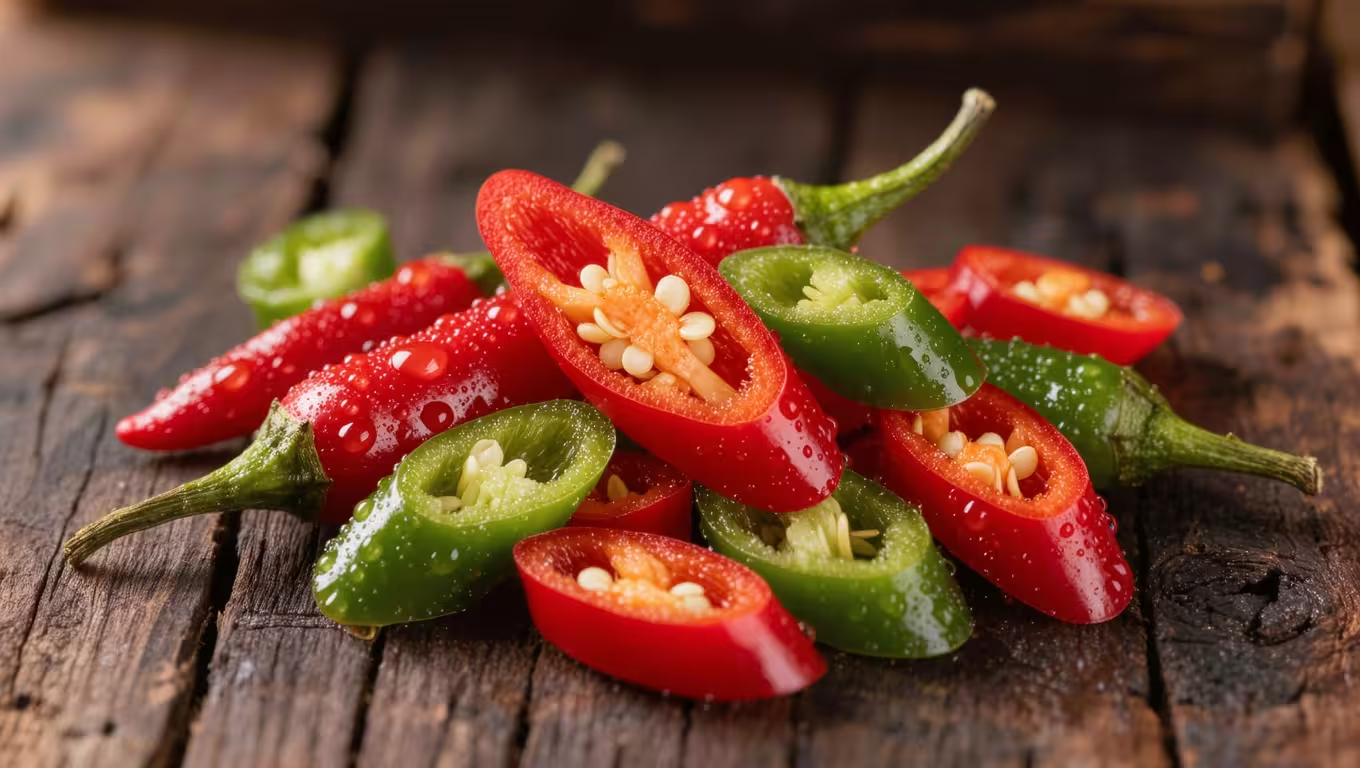
Capsaicin is the compound that makes chili peppers hot. Using it for pain seems counterintuitive—why would something that burns help with pain?
The answer is actually pretty elegant. Capsaicin works by depleting something called Substance P, a neurotransmitter that carries pain signals from nerve endings to the spinal cord and brain. Initially, it causes a burning sensation because it’s stimulating those nerves. But with repeated application, the nerve endings run out of Substance P, and pain signals are reduced.
For neuropathic pain—pain from nerve damage—the evidence is strong. A 2017 review in the British Journal of Anaesthesia looked at high-concentration capsaicin patches (8%) and found they were effective for post-herpetic neuralgia (the pain that lingers after shingles) and HIV-related neuropathy.
For arthritis, lower-concentration creams (0.025-0.075%) have shown modest benefits. A 2014 Cochrane review concluded that capsaicin “may be useful” for osteoarthritis and rheumatoid arthritis, though the effect size was small.
The practicalities: you apply the cream to the painful area, usually 3-4 times daily. It will burn or sting at first—this is normal and usually decreases over a week or two. Wash your hands thoroughly after applying. If you don’t, and you touch your eyes, you will regret it deeply.
7. Boswellia (Frankincense)
Best for: Rheumatoid arthritis, osteoarthritis, inflammatory conditions
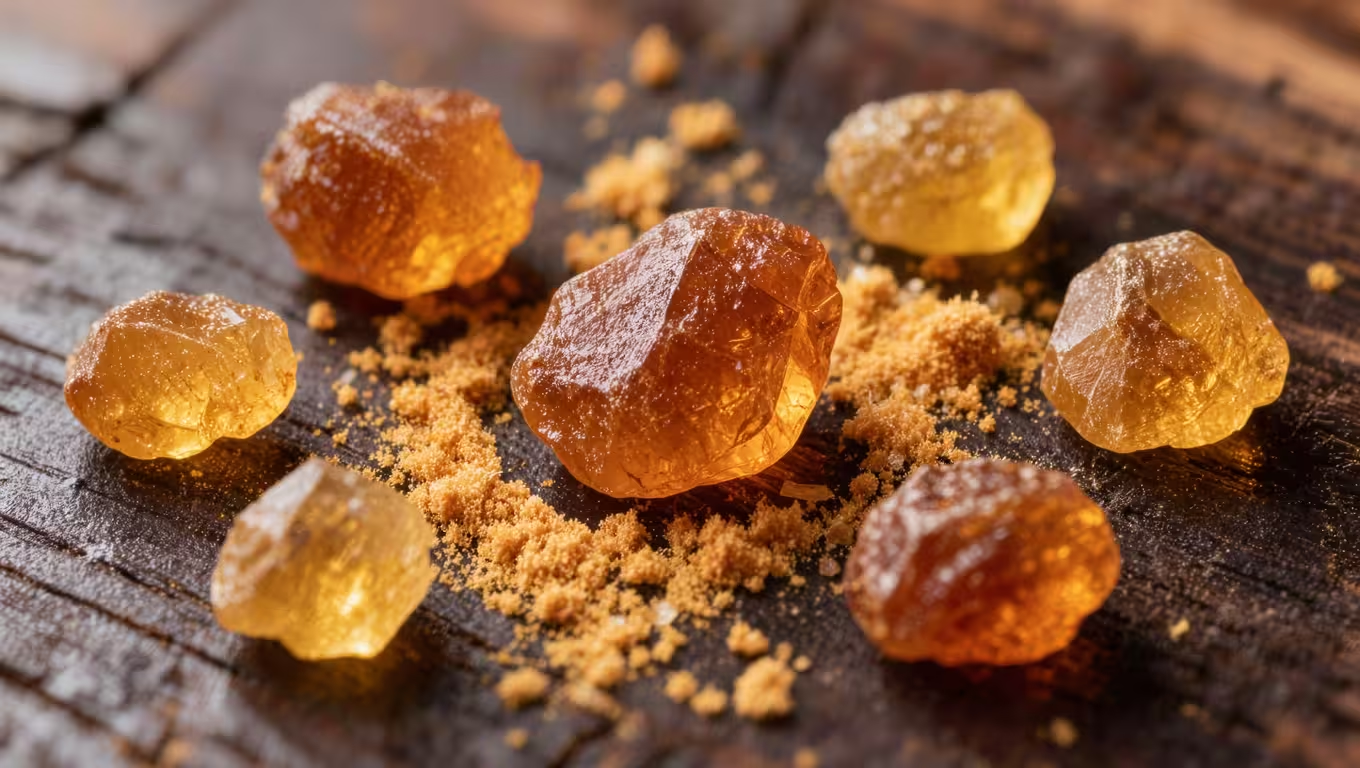
Boswellia comes from the resin of the Boswellia tree, native to India and parts of Africa. You might know it as frankincense—yes, the same stuff from the Christmas story. It’s been used in Ayurvedic medicine for thousands of years.
The active compounds are boswellic acids, which appear to work differently from standard anti-inflammatories. Most NSAIDs block COX enzymes, which can cause stomach problems. Boswellic acids block 5-LOX, an enzyme involved in inflammation through a different pathway. This might explain why boswellia seems gentler on the stomach while still reducing inflammation.
The research is reasonably promising. A 2003 study in Phytomedicine gave people with knee osteoarthritis either boswellia extract or placebo. After eight weeks, the boswellia group reported less pain, better function, and could walk longer distances. A 2011 study on rheumatoid arthritis found similar benefits, with reduced joint swelling and morning stiffness.
A systematic review from 2020 concluded that boswellia “appears to be effective” for osteoarthritis but called for larger, longer studies. Most trials have been short—8-12 weeks—so we don’t know much about long-term use.
8. Lavender
Best for: Headaches, post-surgical pain, menstrual cramps
Lavender is interesting because it works through a completely different pathway than the other substances on this list. Most natural painkillers target inflammation or nerve signals. Lavender targets the emotional experience of pain.
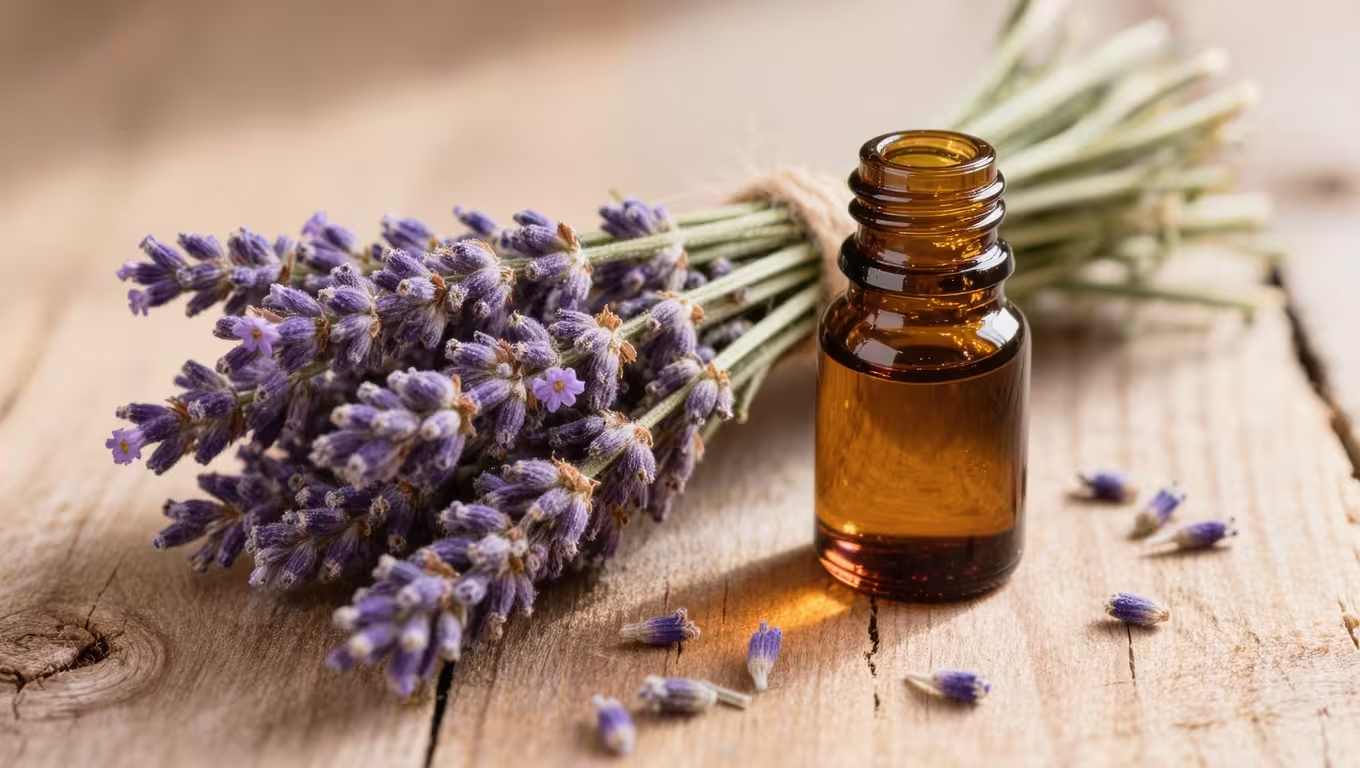
When you inhale lavender essential oil, the compounds travel to the brain’s limbic system—the part that regulates emotions, memory, and stress response. Pain isn’t just a physical sensation; it’s filtered through your emotional state. Anxiety makes pain worse. Calmness makes it more bearable. Lavender seems to shift that balance.
For headaches, the evidence is surprisingly good. A 2012 study in European Neurology had people with migraines inhale lavender or placebo for 15 minutes during an attack. The lavender group reported significantly greater pain reduction. About half of them had a positive response, compared to about a quarter in the placebo group.
For post-surgical pain, a study of patients who had breast biopsies found that those who inhaled lavender required less opioid medication afterward. For menstrual cramps, massaging diluted lavender oil onto the abdomen reduced pain more effectively than placebo or even acetaminophen in some studies.
A note on safety: essential oils are concentrated. A drop of lavender oil straight from the bottle can irritate skin. Always dilute with a carrier oil—coconut, jojoba, olive oil—before applying. And while inhaling lavender is safe, ingesting it isn’t recommended without professional supervision.
9. Feverfew

Best for: Migraine prevention
Feverfew has a long history in European folk medicine for fever and headache. The name comes from the Latin “febrifugia”—fever reducer. Today, it’s studied primarily for migraines.
The active compound is parthenolide, which appears to inhibit the release of serotonin and prostaglandins, both involved in migraine development. It also seems to prevent blood vessels in the brain from constricting and dilating excessively—a key factor in migraine attacks.
The evidence is mixed but leans positive. A 2005 Cochrane review analyzed five trials and found that feverfew reduced migraine frequency compared to placebo. Some studies showed a 50% reduction in attack frequency. More recent reviews have been less enthusiastic, noting that the quality of older studies was poor and that newer, better-designed trials have shown smaller effects.
For prevention, the typical approach is 50-100 mg of standardized extract daily, taken for at least 4-6 weeks. It doesn’t work for acute migraines—once an attack starts, it’s too late.
One warning: people who are allergic to ragweed or daisies may also be allergic to feverfew, since they’re in the same plant family. And some people who chew fresh feverfew leaves develop mouth ulcers, though this is less common with capsules.
10. Omega-3 Fatty Acids
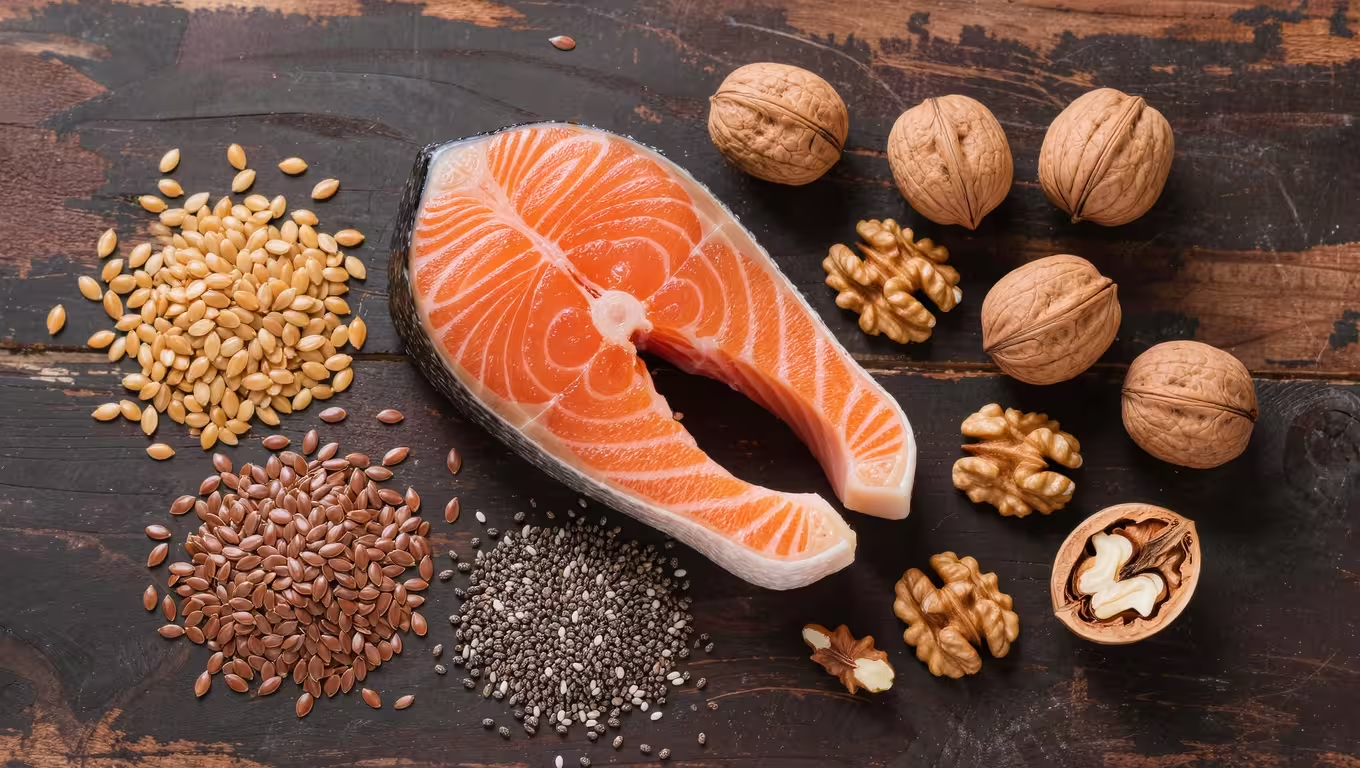
Best for: Rheumatoid arthritis, joint pain, general inflammation
Omega-3s aren’t herbs or spices—they’re fats found in fish, flaxseeds, and walnuts. But they belong on this list because the evidence for their anti-inflammatory effects is about as strong as it gets for any natural substance.
The active compounds are EPA and DHA. Unlike most painkillers that simply block inflammatory chemicals, omega-3s help resolve inflammation. They’re converted in the body into molecules called resolvins and protectins that actively turn off inflammatory responses and promote healing.
For rheumatoid arthritis, the evidence is compelling. A 2017 meta-analysis in the journal Pain looked at 20 studies and found that omega-3 supplements significantly reduced joint pain, stiffness, and swelling. Some patients were able to reduce their use of NSAIDs. Another analysis found that higher omega-3 intake was associated with lower disease activity in RA patients.
For general pain, the evidence is more mixed but still positive. A study of people with neck and back pain found that those taking omega-3s for 75 days reported significant pain reduction—comparable to what might be expected from ibuprofen.
The effective dose appears to be about 2-3 grams of combined EPA and DHA daily. This is more than most people get from food alone, which is why supplements are commonly used. Fish oil capsules are the standard source, but algae-based supplements work for vegetarians and vegans.
The main side effect is fishy burps. Taking capsules with meals or freezing them can help. High doses can thin the blood, so people on blood thinners should check with a doctor first.
Putting It Together: What Actually Works?
Looking at all this research, a few patterns emerge.
First, most natural painkillers are modest in their effects. They’re not replacements for strong prescription medications. But for mild to moderate pain, or as complements to other treatments, they can be genuinely helpful.
Second, specific conditions respond to specific substances. Ginger for menstrual pain. Cherries for gout. Feverfew for migraine prevention. Capsaicin for neuropathy. There’s no universal natural painkiller that works for everything.
Third, quality matters enormously. The studies I’ve cited used standardized extracts at specific doses. Over-the-counter products vary widely in what they actually contain. Third-party testing—looking for seals from USP, NSF, or ConsumerLab—can help identify quality products.
And fourth, natural doesn’t mean risk-free. Willow bark can cause stomach bleeding. Clove oil can be toxic in large amounts. Capsaicin can burn. Always research potential side effects and check with a healthcare provider, especially if you’re pregnant, nursing, or taking other medications.
A Few Final Thoughts
There’s a tendency, when discussing natural remedies, to fall into either uncritical enthusiasm or dismissive skepticism. Neither is quite right.
The truth is more complicated. Some traditional remedies turn out to have real scientific support. Others don’t. Some work through mechanisms we’re only beginning to understand. Others work through mechanisms that are well-established.
What’s interesting is how often traditional use and modern research align. Ginger for menstrual pain? Traditional Chinese medicine has been saying that for centuries. Willow bark for inflammation? The ancient Egyptians figured that out. Cloves for toothache? Dentists still use eugenol today.
This doesn’t mean all traditional remedies work. Many don’t. But it does suggest that our ancestors weren’t fools. They observed, experimented, and passed down what they learned. Sometimes they got it right.
The challenge now is separating what actually works from what’s just tradition, wishful thinking, or clever marketing. That’s what research is for. And the research, while still incomplete, suggests that some of these natural painkillers deserve a place in modern medicine—not as replacements for everything, but as additional tools in the toolkit.
Resources
- National Center for Complementary and Integrative Health: Turmeric
- PubMed Central: Ginger for menstrual pain
- Arthritis Foundation: Natural pain relief options
- Boston University School of Medicine: Cherries and gout study
- Cochrane Database: Feverfew for migraine prevention