
Introduction
Hydrocele is one of those conditions that men don’t talk about. The scrotum swells due to fluid buildup—it’s usually painless, but it’s uncomfortable, sometimes embarrassing, and can interfere with daily life . For some men, especially in cultures where medical consultation feels awkward, the search for home-based or traditional remedies begins long before they consider seeing a doctor.
Enter Punarnava.
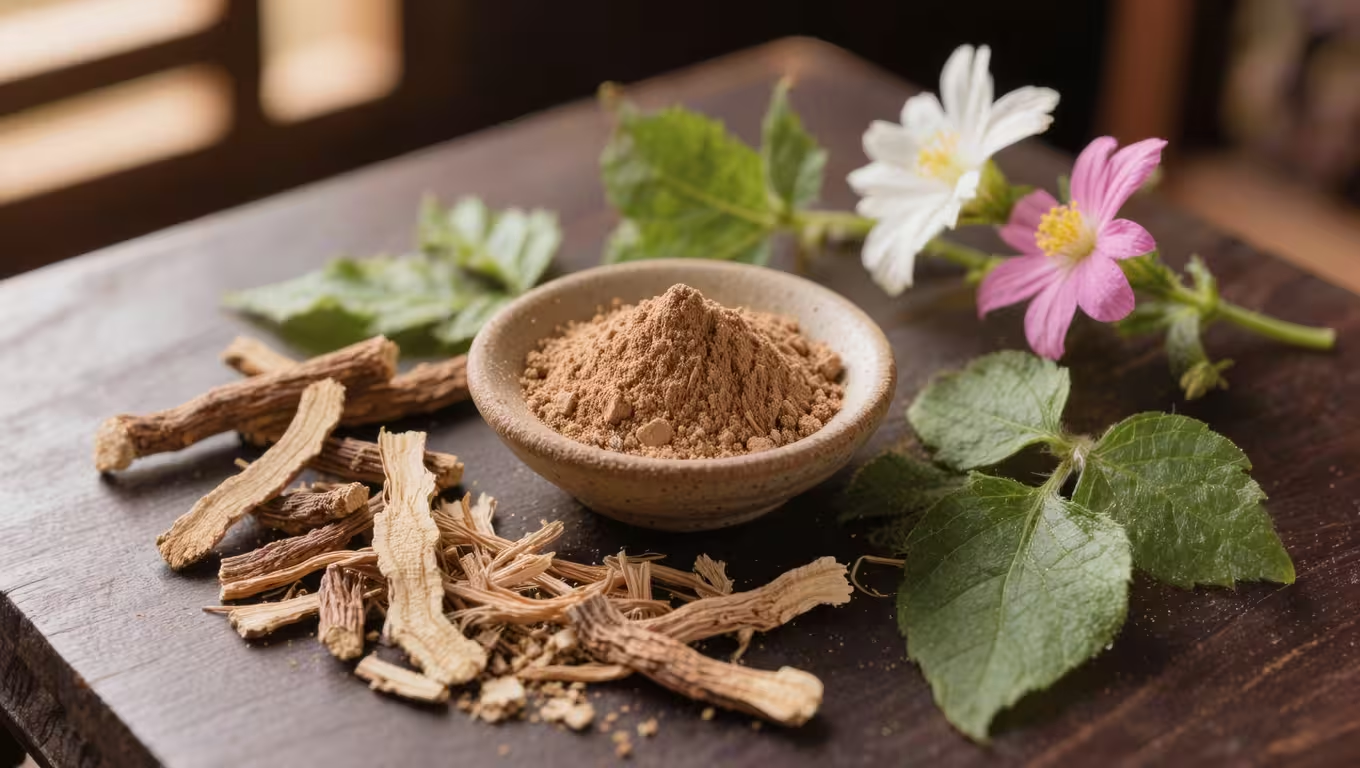
If you’ve spent any time exploring Ayurvedic medicine, you’ve encountered this herb. Boerhavia diffusa—commonly called Punarnava in Sanskrit, which translates roughly to “that which renews or rejuvenates the body”—appears in countless traditional formulations . It’s prescribed for everything from kidney issues to inflammation to, yes, hydrocele.
But here’s the real question: does it actually work?
And what about Punarnavasma? Is that the same thing, a different formulation, or something else entirely?
Let’s walk through what’s actually known—what Ayurvedic texts claim, what modern research says (or doesn’t say), and what anyone considering this herb should know before trying it.
First, Understanding Hydrocele
Before diving into treatments, it helps to understand what a hydrocele actually is.
A hydrocele is a fluid-filled sac surrounding a testicle that causes scrotal swelling . It’s surprisingly common—about one in ten male infants is born with one, though most resolve on their own within the first year. In adults, it’s less common but still affects about one in a hundred men .
Hydroceles can develop for several reasons:
- Injury or trauma to the scrotal area
- Infection or inflammation of the epididymis or testicle
- Blockage in the lymphatic drainage system
- Sometimes, no clear cause at all—they just appear
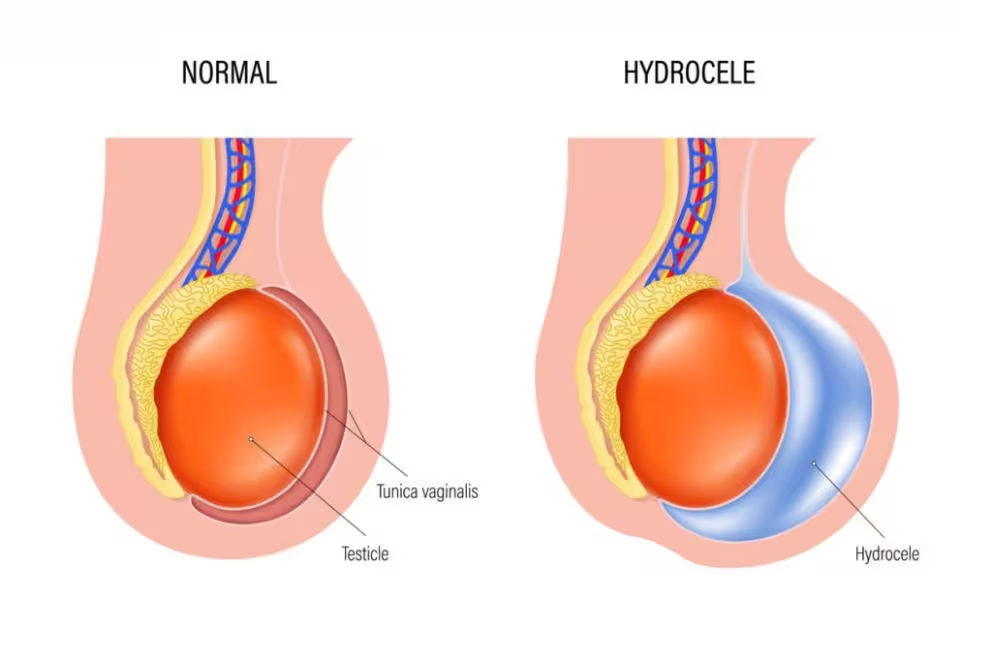
The key thing to understand: hydroceles themselves aren’t usually dangerous. They’re not cancerous, they don’t typically affect fertility, and many men live with them without issues . But they can be uncomfortable, and in some cases, they grow large enough to interfere with walking or daily activities.
The conventional medical approach depends on severity. Small, asymptomatic hydroceles might just be monitored. Larger or symptomatic ones often require surgery—a procedure called hydrocelectomy that drains the fluid and removes the sac . Laser options exist too, which are minimally invasive .
But surgery isn’t the only option mentioned in medical literature. Both Ayurveda and homeopathy offer non-surgical approaches, and this is where Punarnava enters the conversation.
What Is Punarnava?
Punarnava (Boerhavia diffusa) is a perennial herb that grows throughout India and other tropical regions. In Ayurvedic medicine, it’s classified as a “rasayana”—a rejuvenative tonic—and is primarily known for its effects on the kidneys and urinary system .
The name itself is telling: “Punar” means again, “nava” means new—together, “becoming new again” or “renewing.” Traditional texts describe it as a herb that revitalizes tissues and promotes overall health.
The parts used medicinally are primarily the roots, though the whole plant appears in some formulations. It contains several active compounds, including alkaloids, flavonoids, and rotenoids, which are thought to contribute to its therapeutic effects.
🌿 Ready to Try Punarnava?
We’ve curated the highest-rated, third-party tested Punarnava supplements available on Amazon.
→ See Top-Rated Punarnava on AmazonAs an Amazon Associate, we earn from qualifying purchases.
In traditional practice, Punarnava is considered:
- Diuretic—increases urine production and flow
- Anti-inflammatory—reduces swelling
- Analgesic—relieves pain
- Antimicrobial—may help prevent infections
All of these properties, if they actually exist, would theoretically help with hydrocele. Reducing fluid through diuresis, decreasing inflammation, and preventing secondary infections all make intuitive sense.
What Ayurvedic Texts Say About Punarnava for Hydrocele
Multiple sources list Punarnava among the primary Ayurvedic remedies for hydrocele .
According to Ayurvedic practitioners, Punarnava works by:
- Reducing swelling in the scrotum through its anti-inflammatory properties
- Preventing complications like infections or further fluid accumulation
- Supporting lymphatic drainage by improving fluid dynamics in the body
One healthcare site notes that Punarnava is “a common medication prescribed by ayurvedic doctors to treat hydrocele” and that it “helps to reduce swelling, pain, and itching and prevents any other complications” .
Another source lists Punarnava among the best Ayurvedic medicines for hydrocele, specifically mentioning that it “reduces the risk of complications due to hydroceles” and “significantly reduces the swelling in the scrotum” .
The herb is also mentioned in forum discussions about non-surgical hydrocele treatment, where users note that herbs like Punarnava are “known for their anti-inflammatory and diuretic properties, making them effective in addressing the root cause of hydrocele” .
But here’s the thing: all of these sources are descriptive, not evidence-based in the modern scientific sense. They tell us what Ayurvedic practitioners believe and prescribe. They don’t provide clinical trial data, controlled studies, or rigorous evidence that Punarnava works better than placebo.
What About Punarnavasma?
This is where things get a bit confusing.
“Punarnavasma” isn’t a standard term you’ll find in most herbals or research papers. Based on how it’s used in conversation, it likely refers to one of two things:
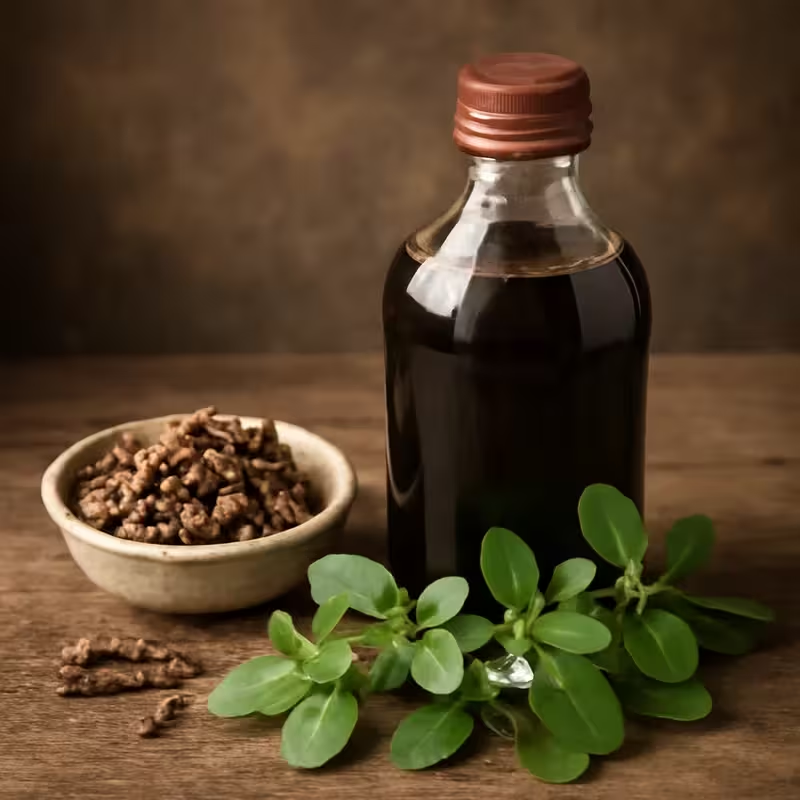
- Punarnava-based formulations—Ayurvedic medicines where Punarnava is the primary ingredient. These might be tablets, powders, or liquids sold under brand names that include “Punarnava” in their title.
- Punarnavadi Guggulu or similar compound formulations—Classic Ayurvedic preparations that combine Punarnava with other herbs. The “-asma” suffix might be a transliteration variation of “asava” or “arishta” (fermented Ayurvedic preparations) or simply a brand name.
If someone is asking about Punarnavasma specifically, they’re probably referring to a proprietary Ayurvedic product that contains Punarnava as its main active ingredient. In the absence of specific product information, the general principles about Punarnava would apply—but with the additional caveat that different formulations have different concentrations, preparation methods, and additional ingredients that could affect both efficacy and safety.
What Modern Research Actually Says
This is where the honest answer gets complicated.
There are no high-quality clinical trials testing Punarnava specifically for hydrocele in humans. None. Zero. The evidence we have is traditional use, practitioner observation, and maybe some case reports.
What does exist is research on Punarnava’s general properties:
- Anti-inflammatory effects have been demonstrated in animal studies. The herb appears to inhibit certain inflammatory pathways, which supports its traditional use for swelling.
- Diuretic activity has been documented. Multiple studies confirm that Punarnava extracts increase urine output in animal models, which aligns with its traditional classification.
- Antimicrobial properties have been shown in lab studies against various bacteria, potentially supporting its use in preventing secondary infections.
But here’s the gap: showing that a herb has anti-inflammatory properties in a petri dish or a rat is a long way from showing that taking it orally will reduce a specific fluid collection in a human scrotum.
The mechanism makes sense. The tradition is long-standing. But the evidence that would satisfy modern scientific standards simply doesn’t exist.
How Punarnava Is Typically Used
If you’re considering Punarnava for hydrocele—and especially if you’re working with an Ayurvedic practitioner—here’s what the typical approach looks like.
Forms:
- Powder (Churna): Dried Punarnava root powder, usually taken with warm water or honey
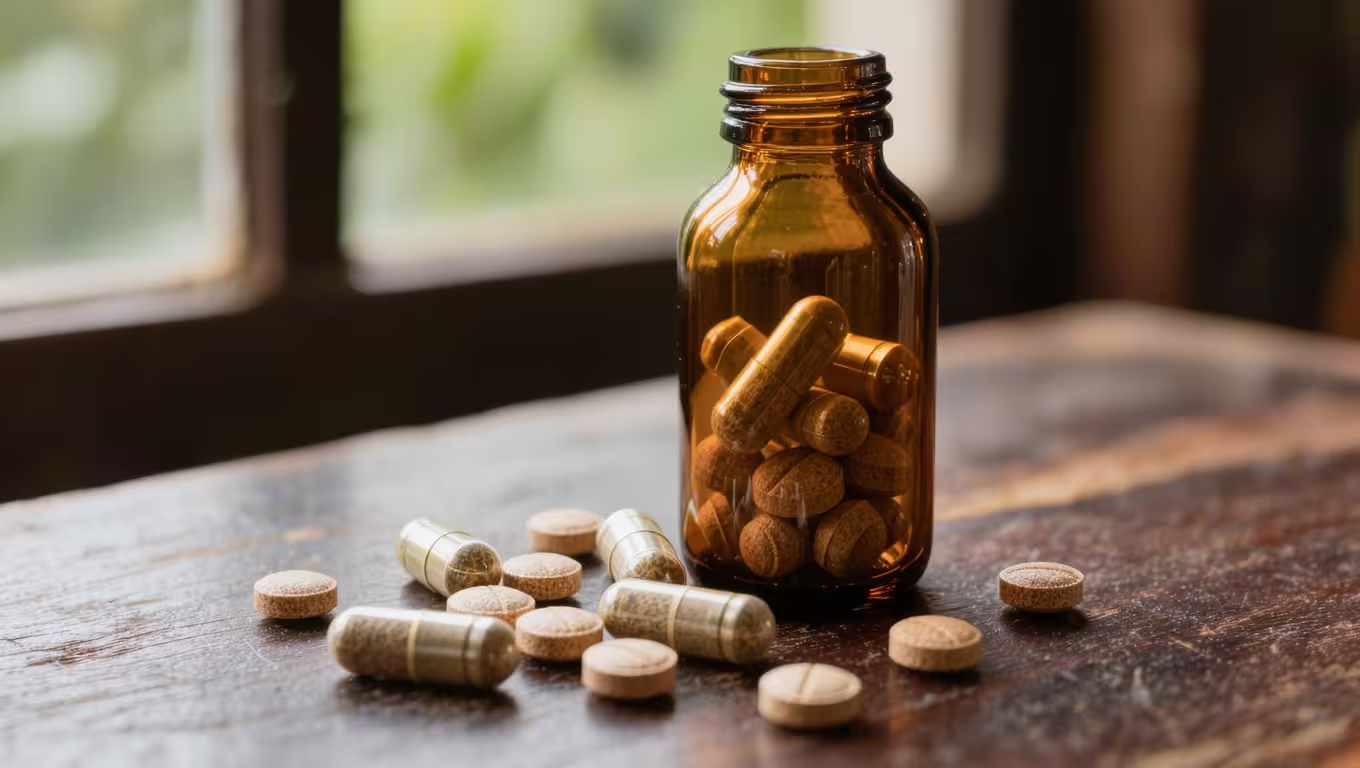
- Tablets: Standardized extracts or traditional formulations
- Decoction (Kadha): Roots boiled in water to make a tea-like preparation
- Liquid formulations (Asava/Arishta): Fermented herbal wines containing Punarnava
Dosing:
Dosing varies widely based on the formulation and the individual. Traditional texts suggest:
- Powder: 3-6 grams daily, often divided into two doses
- Decoction: 50-100 ml twice daily
- Tablets: As directed by manufacturer or practitioner
🌿 Ready to Try Punarnava?
We’ve curated the highest-rated, third-party tested Punarnava supplements available on Amazon.
→ See Top-Rated Punarnava on AmazonAs an Amazon Associate, we earn from qualifying purchases.
Duration:
Ayurvedic treatment typically isn’t quick. Herbal approaches for chronic conditions like hydrocele are usually prescribed for weeks to months, with periodic assessment.
Combination therapy:
In practice, Punarnava is rarely used alone. It’s often combined with:
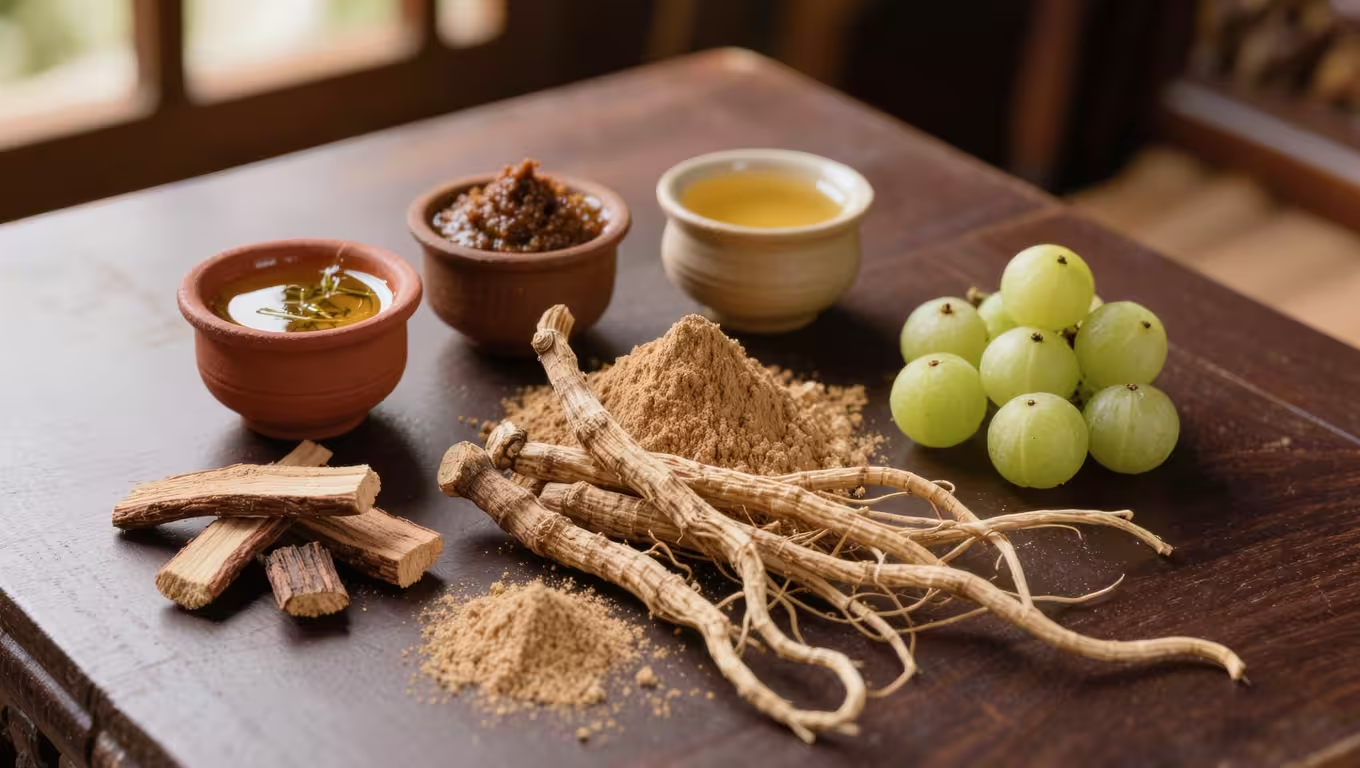
- Gokshura (Tribulus terrestris)—another diuretic herb
- Varun (Crataeva nurvula)—anti-inflammatory and antimicrobial
- Kanchnar (Bauhinia variegata)—specifically for lymphatic conditions
- Erand (Ricinus communis)—antioxidant properties
These combinations are thought to work synergistically, addressing different aspects of the condition.
Important Caveats and Considerations
If you’re reading this because you or someone you know has a hydrocele and is considering Punarnava, here are some things to think about.
First, get a proper diagnosis.
Not all scrotal swelling is hydrocele. Hernias, tumors, and other conditions can look similar but require completely different treatment. A simple physical exam and possibly an ultrasound can confirm the diagnosis. Don’t assume.
Second, understand what Ayurvedic treatment can and can’t do.
Ayurvedic practitioners don’t claim that herbs will make a large hydrocele disappear. The goals are typically more modest:
- Reduce mild to moderate swelling
- Alleviate discomfort
- Prevent complications
- Support overall health
For large, long-standing, or symptomatic hydroceles, surgery remains the standard of care . Herbal treatment might be an option for small hydroceles or as supportive therapy, but it’s not an alternative to surgery when surgery is genuinely needed.
Third, quality matters.
Herbal supplements aren’t regulated like drugs. Products labeled “Punarnava” might contain:
- The correct herb in the correct part (root vs. whole plant matters)
- The wrong herb entirely (adulteration happens)
- Contaminants like heavy metals or pesticides
- Variable concentrations of active compounds
If you’re considering trying Punarnava, look for reputable sources. In India, Ayurvedic products with proper manufacturing licenses (GMP certification) are preferable. In other countries, third-party tested supplements add confidence.
Fourth, consult someone knowledgeable.
Ideally, this means a qualified Ayurvedic practitioner who can assess your specific situation and recommend appropriate formulations and dosing. Self-treating based on internet research carries risks—not just from the herb itself, but from misdiagnosis and delayed appropriate care.
Safety and Side Effects
Punarnava is generally considered safe when used appropriately. But “generally considered safe” isn’t the same as “completely without risk.”
Known or suspected effects:
- Diuresis is expected—this means increased urination, which could be inconvenient but isn’t dangerous for most people
- Potassium levels might be affected by increased urine output, though this is theoretical
- Blood pressure could potentially decrease due to diuretic effects
- Blood sugar might be affected—some animal studies suggest hypoglycemic effects
Who should be cautious:
- People taking diuretic medications (adding another diuretic could cause excessive fluid loss)
- Those on blood pressure medications (effects could add together)
- People with kidney disorders (the herb affects kidney function)
- Pregnant or breastfeeding women (safety hasn’t been established)
- Anyone scheduled for surgery (herbal effects on bleeding or anesthesia aren’t well studied)
Drug interactions:
Potential interactions exist with:
- Diuretics
- Blood pressure medications
- Diabetes medications
- Lithium (diuretics affect lithium levels)
Again, this is theoretical based on the herb’s properties, not documented case reports. But theoretical is enough to warrant caution.
Putting It Together: Does Punarnava Work for Hydrocele?
After looking at everything, here’s where I land.
What we know:
- Punarnava has a long history of traditional use for hydrocele in Ayurvedic medicine
- The herb has documented anti-inflammatory and diuretic properties in preclinical studies
- Ayurvedic practitioners prescribe it regularly and report clinical benefits
- Multiple reputable sources list it among primary Ayurvedic treatments for hydrocele
What we don’t know:
- Whether it works better than placebo in controlled trials (no such trials exist)
- What the optimal dose and duration might be
- How it compares to conventional treatments
- Which patients are most likely to benefit
The honest answer:
Punarnava probably helps some people with hydrocele, at least to some extent. The traditional use is extensive enough that it’s unlikely to be completely ineffective. The mechanisms are plausible. And many patients and practitioners report positive outcomes.
But “probably helps some people” isn’t the same as “proven treatment.” It’s not the same as “should replace medical evaluation.” And it’s definitely not the same as “guaranteed to work.”
For a small, asymptomatic hydrocele? Trying Punarnava under proper guidance is reasonable—especially if you’re interested in Ayurvedic approaches and understand the limitations.
For a large, painful, or growing hydrocele? That needs medical evaluation, and probably surgical treatment . Delaying surgery to try herbs carries real risks—the condition could worsen, complications could develop, and you’re just prolonging discomfort.
Practical Takeaways
If you’re considering Punarnava for hydrocele, here’s a sensible approach:
Step 1: Get diagnosed. See a doctor, confirm it’s actually a hydrocele, and rule out other conditions. An ultrasound is simple and definitive.
Step 2: Assess severity. Small and asymptomatic? Medical monitoring or Ayurvedic treatment might be options. Large or symptomatic? Surgery is probably the right answer.
Step 3: Consult an Ayurvedic practitioner. If you decide to try herbal treatment, work with someone qualified. They can recommend appropriate formulations, dosages, and combinations based on your specific situation.
Step 4: Choose quality products. Look for reputable brands with proper manufacturing standards.
Step 5: Monitor and reassess. If there’s no improvement after a reasonable trial (a few months), or if symptoms worsen, reconsider the approach.
Step 6: Keep perspective. Herbal treatment isn’t magic. It works slowly if it works at all. Be patient but realistic.
The Bottom Line
Punarnava is a respected herb in Ayurvedic medicine with a long history of use for hydrocele. The traditional evidence is substantial, and the proposed mechanisms make sense.
But modern scientific evidence is lacking. There are no clinical trials proving efficacy, no standardized protocols, no guarantee of results.
For those interested in holistic approaches and working with qualified practitioners, Punarnava may be worth considering—especially for mild cases or as supportive therapy. But it’s not an alternative to proper medical evaluation, and it’s not a replacement for surgery when surgery is genuinely needed.
The wisest approach combines respect for traditional knowledge with the clarity of modern diagnosis and the humility to acknowledge what we don’t yet know.
Resources
- National Center for Complementary and Integrative Health: Ayurvedic Medicine Overview
- PubMed Central: Boerhavia diffusa Pharmacological Review
- World Health Organization: Traditional Medicine Strategy