
Testosterone. The word alone conjures images of vitality, strength, and masculinity. And for good reason—this hormone plays a central role in muscle mass, bone density, libido, mood, and energy levels. When levels drop, men notice.
The problem is, testosterone naturally declines with age—about 1-2% per year after age 30. Stress, poor sleep, obesity, and nutrient deficiencies can accelerate the decline. And while testosterone replacement therapy exists, it’s not for everyone. It requires prescriptions, carries side effects, and can shut down natural production.
This is why natural supplements get so much attention. The idea that something from a bottle could gently support your body’s own testosterone production is genuinely appealing.
But here’s the thing: the supplement industry is full of hype. Products claim dramatic results with little evidence. Separating what actually works from what’s just clever marketing requires looking at the research—real studies, not testimonials.
What follows is a careful examination of ten supplements that have been studied for their effects on testosterone. For each, I’ll share what the evidence actually shows, how they might work, and what you should know before trying them.
| Suppliment | Amazon Link |
|---|---|
| CoQ10 | Best CoQ10 Supplements → |
| Ashwagandha | Best Ashwagandha → |
| Fenugreek | Best Fenugreek → |
| Zinc | Best Zinc Supplements → |
| Magnesium | Best Magnesium → |
| Ginger | Best Ginger Supplements → |
| Vitamin D3 | Best Vitamin D3 → |
| Shilajit | Best Shilajit → |
| Tribulus | Best Tribulus → |
| Pine Bark | Best Pine Bark Extract → |
Let’s start with the one you specifically mentioned: CoQ10.
1. Coenzyme Q10 (CoQ10)
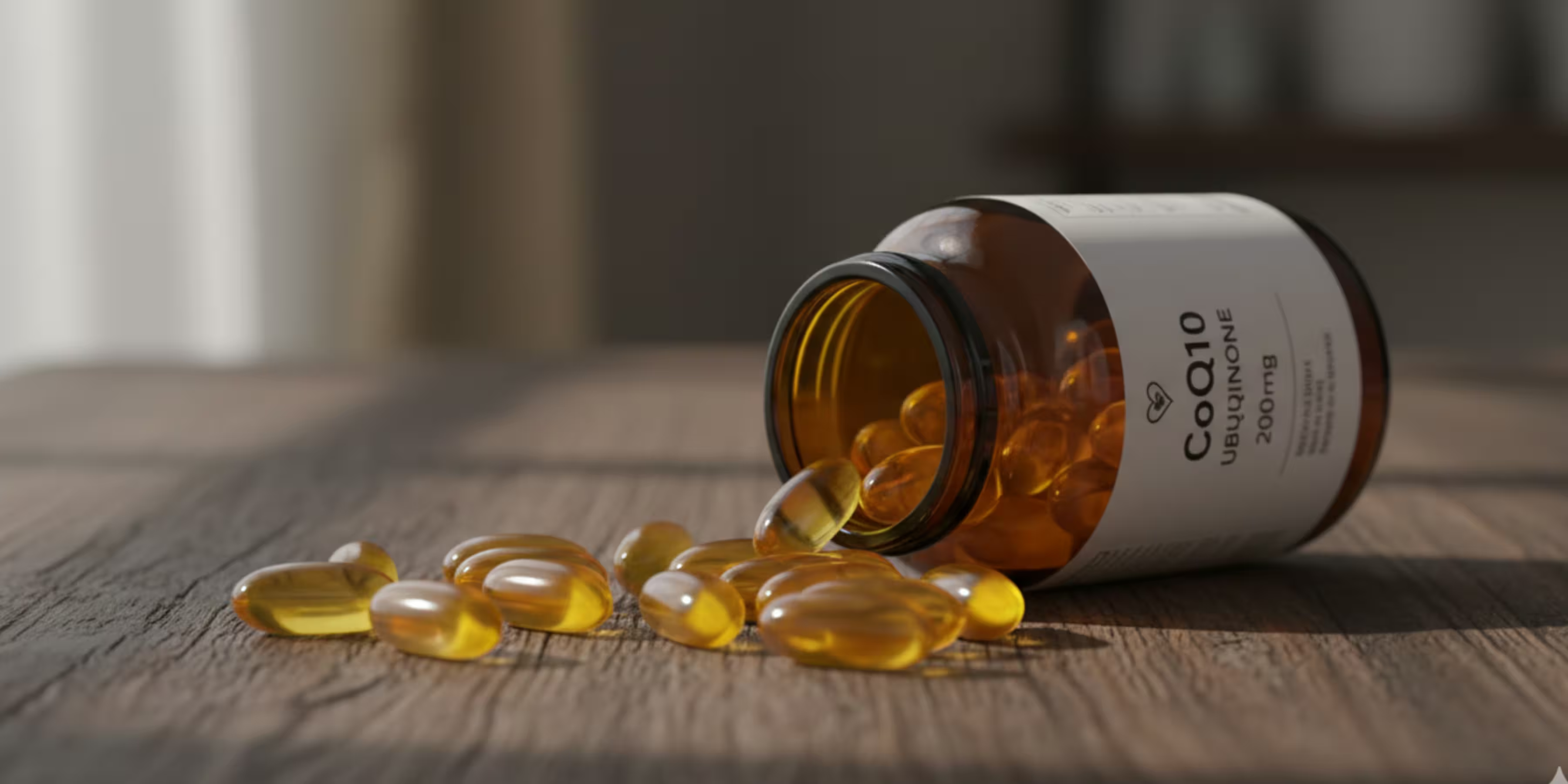
Best for: Men with fertility issues, oxidative stress, age-related testosterone decline
CoQ10 isn’t typically thought of as a testosterone booster. It’s better known for heart health and cellular energy production. But recent research suggests it deserves attention in the testosterone conversation.
What the research shows:
A 2025 randomized controlled trial published in PMC examined CoQ10 in men with idiopathic male infertility . Two hundred men with oligoasthenoteratozoospermia (OAT)—meaning issues with sperm count, motility, and morphology—were randomly assigned to receive CoQ10 (200 mg daily), L-carnitine, a combination of both, or placebo for three months.
The results were striking. The CoQ10 group showed:
- Highly significant improvements in all semen parameters compared to baseline
- Reduction in sperm DNA fragmentation index
- A rise in testosterone levels and a decrease in luteinizing hormone
The placebo group showed no changes .
How it works:
CoQ10 is a critical component of the mitochondrial respiratory chain—essentially, it helps cells produce energy. Sperm cells are highly dependent on mitochondrial function for motility. But beyond that, Leydig cells in the testes—the cells that produce testosterone—also require robust mitochondrial function. Oxidative stress damages these cells. CoQ10, as a powerful antioxidant, appears to protect them .
The study also found that combining CoQ10 with L-carnitine produced superior results to either alone, suggesting these compounds work through complementary mechanisms .
Dosage: The study used 200 mg daily. Typical supplements range from 100-300 mg.
2. Ashwagandha (Withania somnifera)
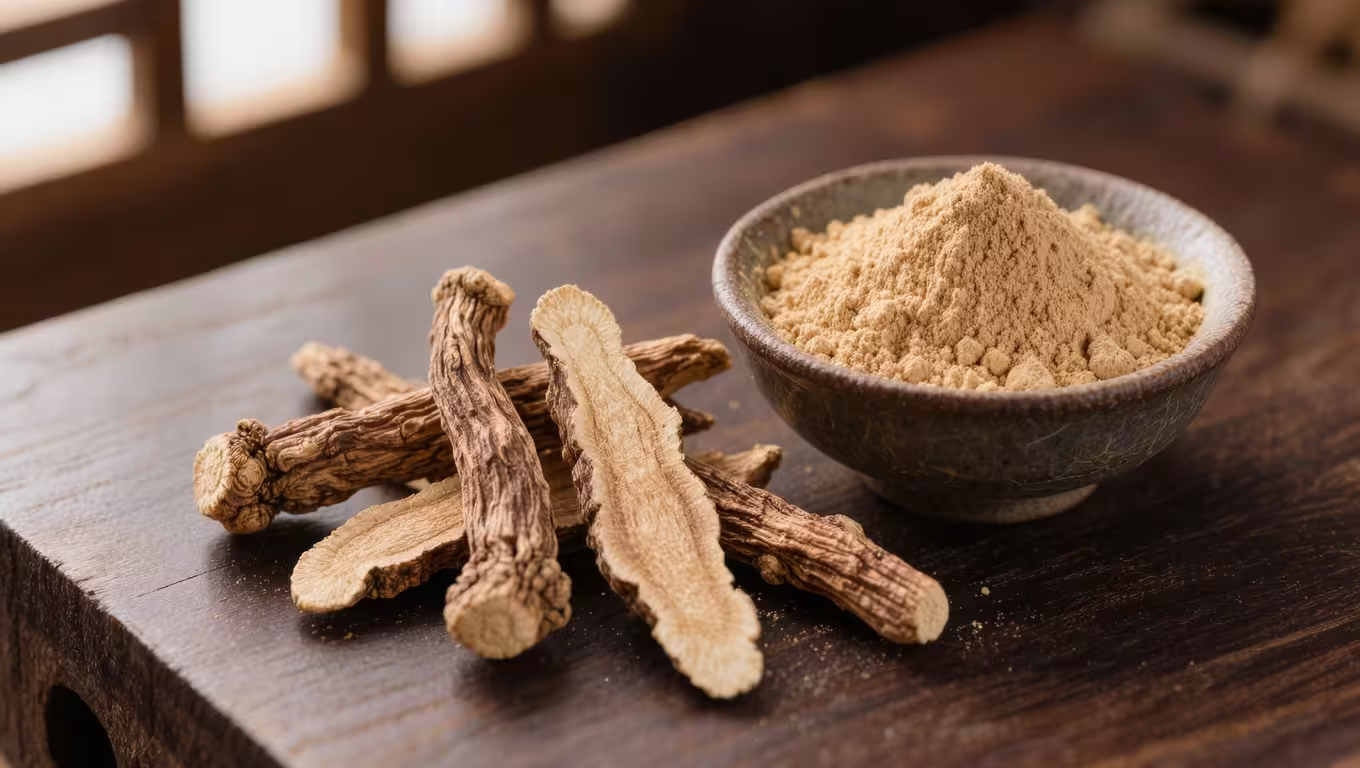
Best for: Stress-related testosterone decline, overall vitality
Ashwagandha has become one of the most popular adaptogenic herbs, and the testosterone research is actually quite supportive.
What the research shows:
A 2026 randomized, double-blind, placebo-controlled trial published in Food Science & Nutrition evaluated ashwagandha root extract in healthy men aged 50-70 . Participants received either 200 mg of standardized ashwagandha extract (containing ≥5 mg withanolides) or placebo twice daily for 180 days.
The findings: Testosterone levels significantly increased by 15.7% in the ashwagandha group compared to placebo. The supplement was well-tolerated with no adverse effects on thyroid, liver, or kidney function. Inflammatory markers (CRP) decreased by 51.1% .
How it works:
Ashwagandha appears to work through multiple mechanisms. As an adaptogen, it helps regulate cortisol—the stress hormone. Chronically elevated cortisol suppresses testosterone. By reducing cortisol, ashwagandha may allow testosterone production to normalize. The herb also has direct antioxidant effects that protect Leydig cells .
Dosage: Most studies use 300-600 mg daily of standardized extract. The 2026 trial used 200 mg twice daily (400 mg total) .
3. Fenugreek (Trigonella foenum-graecum)
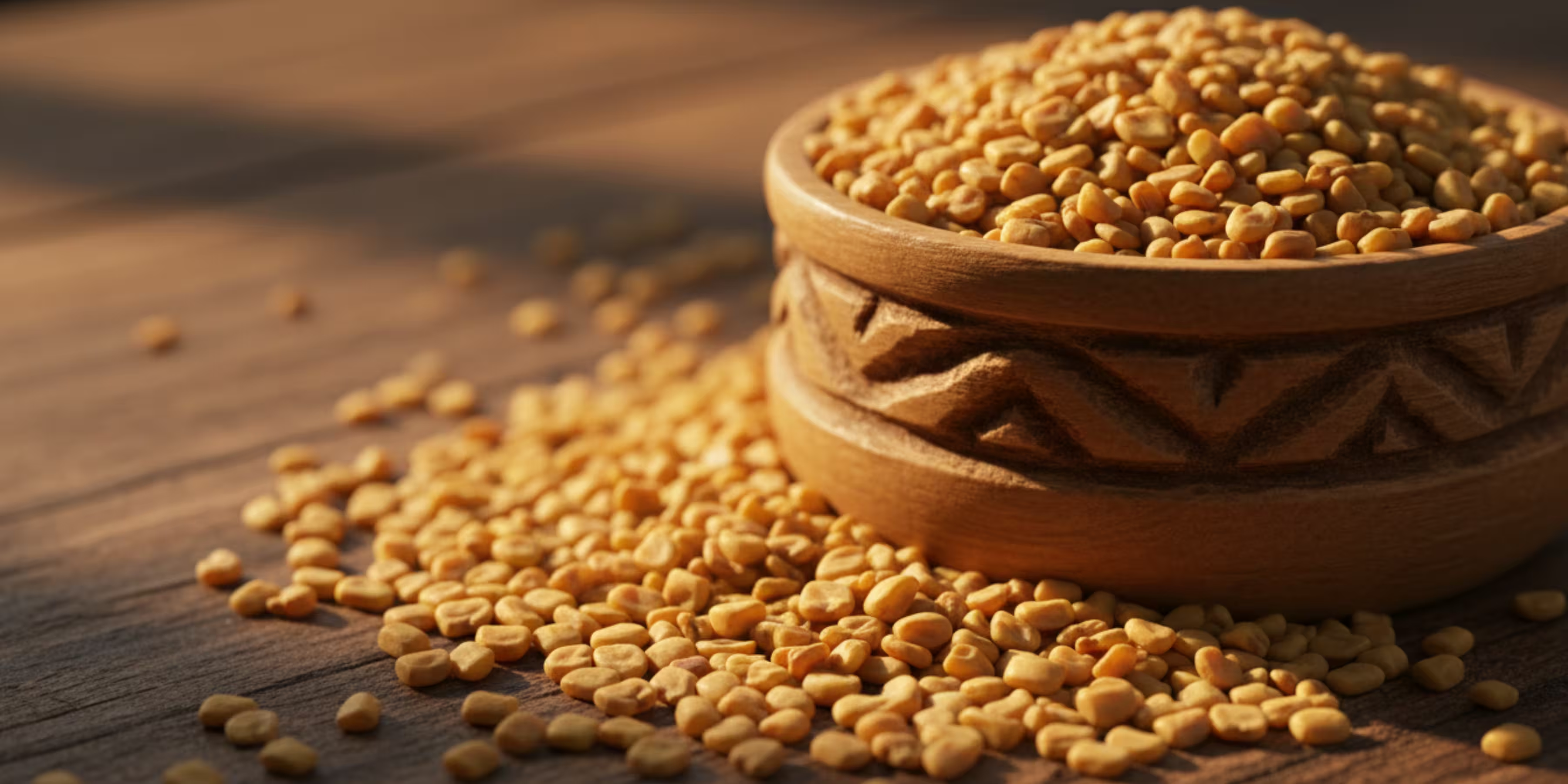
Best for: Athletic performance, libido support
Fenugreek is a common culinary herb that’s also been studied extensively for its effects on male hormones.
What the research shows:
A 2026 systematic review with meta-analysis examined the anabolic effects of fenugreek . Seven studies with 449 participants (378 men) met inclusion criteria. The analysis detected small but significant effects for:
- Total testosterone (standard mean difference: 0.32)
- Free testosterone (trending but not statistically significant)
- Lean body mass
- Fat mass reduction
- Leg press performance
The researchers concluded that “chronic application of fenugreek has performance-enhancing and anabolic effects in male athletes” .
How it works:
Fenugreek contains steroidal saponins, particularly diosgenin and protodioscin, which may serve as precursors for hormone synthesis or inhibit enzymes that convert testosterone to estrogen.
Dosage: Studies typically use 500-600 mg of standardized fenugreek extract daily.
4. Zinc
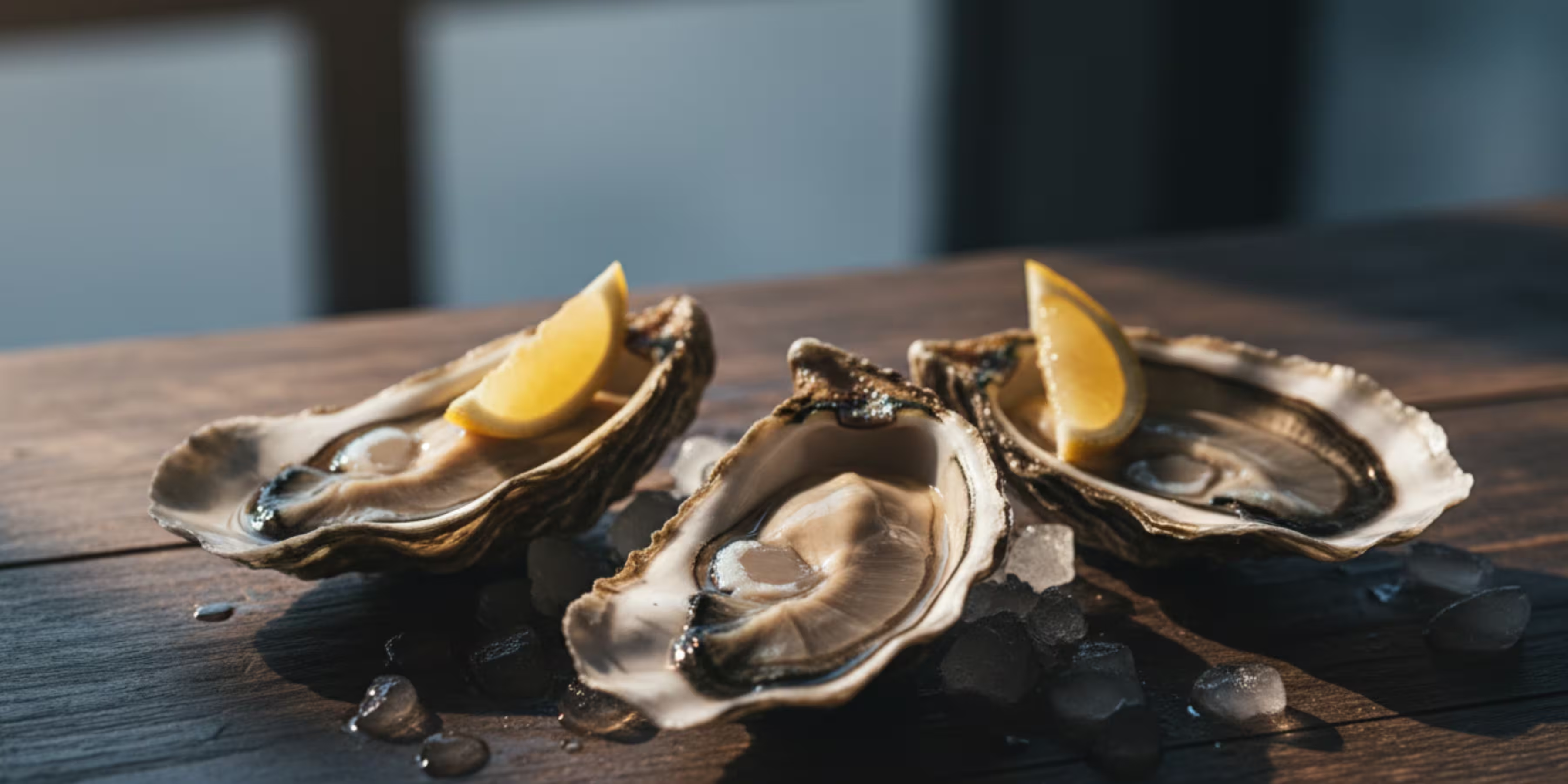
Best for: Men with deficiency, fertility support
Zinc is essential—your body can’t produce it, and it’s required for hundreds of enzymatic reactions, including testosterone synthesis.
What the research shows:
The evidence on zinc is nuanced. As one analysis notes, zinc deficiency clearly leads to decreased testosterone levels and impaired sperm production. Supplementation restores testosterone in zinc-deficient individuals .
However, in healthy men with adequate zinc intake, supplementation doesn’t consistently increase testosterone beyond normal levels. The effect appears most pronounced in those who are deficient .
How it works:
Zinc is a cofactor for enzymes involved in testosterone synthesis. It also inhibits aromatase, the enzyme that converts testosterone to estrogen, potentially preserving testosterone levels.
Dosage: RDA is 11 mg for adult men. Therapeutic doses range from 15-30 mg. High doses can interfere with copper absorption, so long-term supplementation should include copper or be monitored .
5. Magnesium
Best for: Active men, those with deficiency
Like zinc, magnesium is an essential mineral involved in hundreds of biochemical processes.
What the research shows:
The evidence mirrors zinc. Studies show magnesium supplementation significantly increases testosterone in both sedentary men and athletes—but primarily in those with magnesium deficiencies . In individuals with adequate magnesium status, the effects are less consistent.
One study found magnesium supplementation improved testosterone in elderly men with pre-existing low testosterone. Another showed benefits in athletes, possibly due to increased magnesium needs from exercise .
How it works:
Magnesium may increase the bioavailability of testosterone by reducing its binding to sex hormone-binding globulin (SHBG). It also supports enzymes involved in testosterone synthesis.
Dosage: Typical doses range from 200-400 mg daily. Magnesium glycinate and citrate are better absorbed than oxide forms .
6. Ginger (Zingiber officinale)
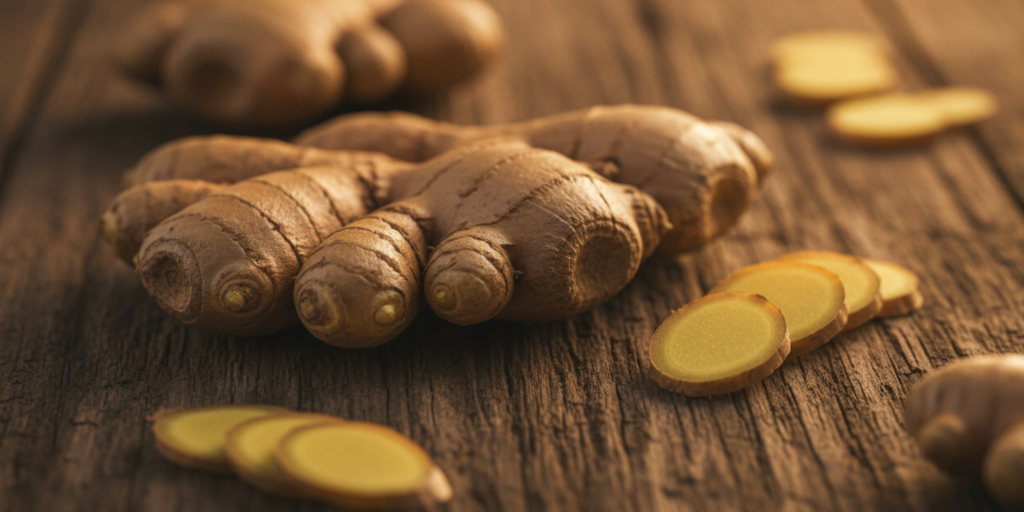
Best for: Fertility support, antioxidant effects
Ginger is widely used as a spice and traditional medicine, but it also shows promise for male reproductive health.
What the research shows:
A study published in the Medical Journal of Tikrit University examined ginger supplementation in 75 infertile men aged 19-40 . After treatment with ginger for three months, researchers observed:
- Significant increase in sperm count (up to 16.2%)
- Significant increase in sperm motility (up to 47.3%)
- Significant increase in sperm viability (up to 40.7%)
- Increase in ejaculate volume (up to 36.1%)
- Significant increases in serum FSH, LH, and testosterone
The study also found reduced oxidative stress markers (MDA) and increased glutathione (an antioxidant) after ginger treatment .
How it works:
Ginger contains gingerols and shogaols, potent antioxidants that reduce oxidative damage to testosterone-producing cells. It may also directly stimulate the hypothalamic-pituitary-gonadal axis .
Dosage: The study didn’t specify exact dosing, but typical supplements range from 500-1000 mg daily of standardized extract.
7. Vitamin D
Best for: Men with deficiency, overall health
Vitamin D is technically a hormone, not a vitamin, and its receptors are found throughout the body—including in testes.
What the research shows:
Vitamin D deficiency has been linked to low testosterone in multiple observational studies. A randomized controlled trial registered with the EU Clinical Trials Register evaluated vitamin D supplementation in hypogonadal men . While full results aren’t publicly available, the summary indicates that vitamin D may have beneficial effects on androgen levels in men with low testosterone.
How it works:
Vitamin D receptors on Leydig cells suggest direct involvement in testosterone synthesis. Vitamin D also regulates calcium, which is involved in hormone production.
Dosage: Most studies use 1000-4000 IU daily. Testing blood levels is recommended before supplementation.
8. Shilajit
Best for: Age-related decline, fertility support
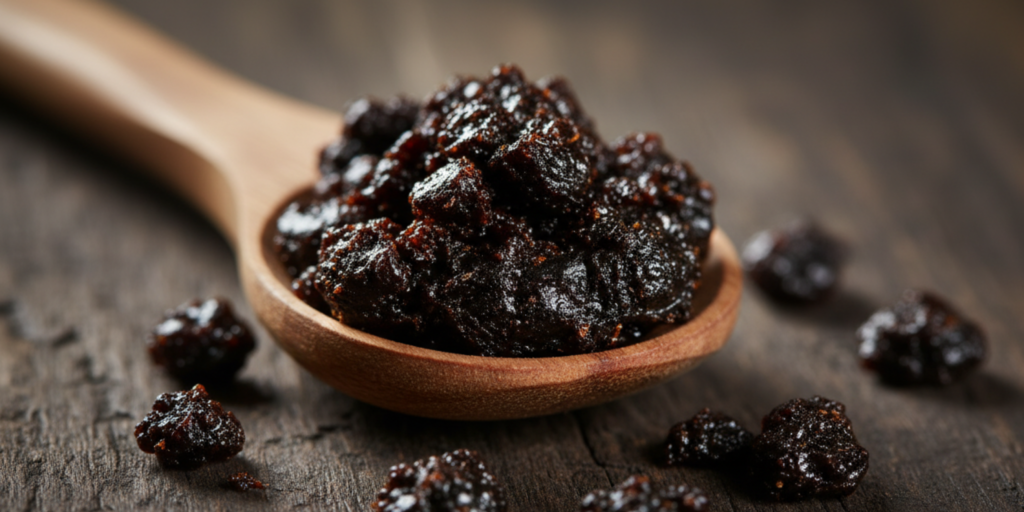
Shilajit is a tar-like substance found in Himalayan rocks, rich in fulvic acid and minerals. It’s been used in Ayurvedic medicine for centuries.
What the research shows:
Research suggests shilajit may offer a modest boost to testosterone, particularly in men with low sperm count or age-related declines . Studies have shown improvements in total testosterone levels with supplementation.
The fulvic acid in shilajit is thought to play a key role by improving mineral absorption and supporting mitochondrial function .
How it works:
Shilajit enhances mitochondrial function, improving cellular energy production. It also has potent antioxidant properties that protect testosterone-producing cells from oxidative damage.
Dosage: Typical doses range from 100-300 mg daily of purified shilajit .
Caution: Source matters. Choose reputable brands with third-party testing to ensure purity and absence of heavy metals .
9. Tribulus Terrestris

Best for: Libido support, but evidence for testosterone is weak
Tribulus is perhaps the most famous “testosterone booster” in the supplement world. The evidence, however, tells a more complicated story.
What the research shows:
A 2025 systematic review of clinical trials examined Tribulus supplementation’s effects on erectile dysfunction and testosterone levels . The conclusion was sobering: “TT supplementation has a low level of evidence regarding its effectiveness in improving erectile function in men with erectile dysfunction, and no robust evidence was found for increasing testosterone levels” .
Some older studies suggested benefits, but higher-quality research has largely failed to confirm significant testosterone increases in healthy men.
How it works (theoretically):
Tribulus contains protodioscin, a steroidal saponin that was thought to increase luteinizing hormone and thereby testosterone. In animal studies, this mechanism appears active. In humans, the evidence is inconsistent .
Dosage: If trying Tribulus, studies typically use 500-1500 mg daily of standardized extract. But manage expectations—the evidence doesn’t support dramatic results.
10. Pine Bark Extract (Pycnogenol)
Best for: Blood flow, erectile function, indirect support
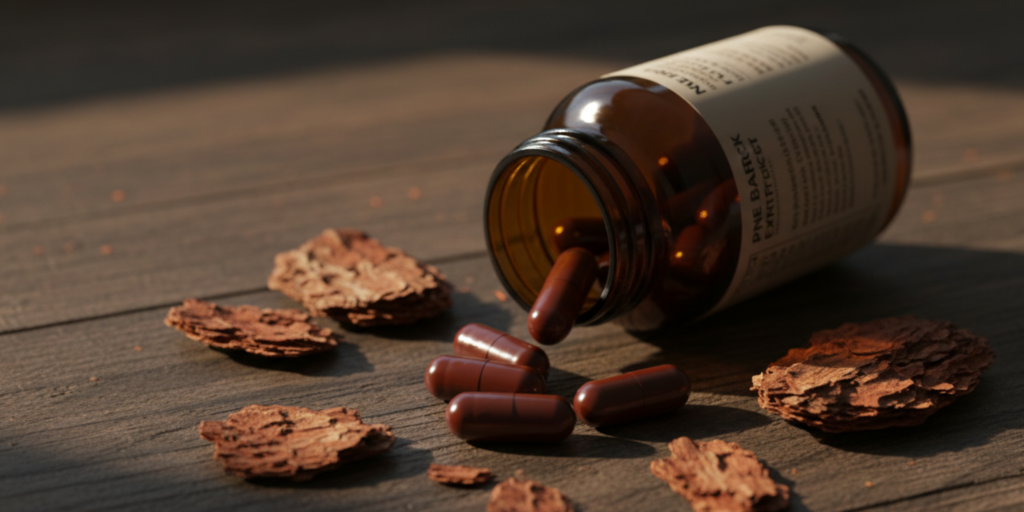
Pine bark extract, particularly the patented Pycnogenol form, is rich in proanthocyanidins—powerful antioxidants and very strong natural solution for male testicular disease varicocele.
What the research shows:
Here’s the honest answer: pine bark extract doesn’t directly increase testosterone production. The evidence for direct testosterone boosting simply isn’t there .
However, it may support healthy testosterone levels indirectly by improving blood flow, reducing oxidative stress, and potentially mitigating erectile dysfunction—all of which can positively impact overall hormonal balance .
How it works:
Pine bark extract promotes nitric oxide production, improving blood vessel function and circulation. Better blood flow to the testes may support optimal function. Its antioxidant properties also protect cells from damage .
Dosage: Typical doses range from 50-200 mg daily .
Putting It Together: What Actually Works?
Looking at the evidence, here’s a summary of what the research actually supports:
| Supplement | Testosterone Evidence | Primary Mechanism | Best For |
|---|---|---|---|
| CoQ10 | Strong (2025 RCT) | Mitochondrial support, antioxidant | Men with fertility issues, oxidative stress |
| Ashwagandha | Strong (2026 RCT) | Cortisol reduction, antioxidant | Stress-related decline, overall vitality |
| Fenugreek | Moderate (2026 meta-analysis) | Saponin precursors | Athletic performance |
| Zinc | Strong (in deficiency) | Enzyme cofactor, aromatase inhibition | Deficient men, fertility |
| Magnesium | Moderate (in deficiency) | SHBG reduction, enzyme support | Active men, deficient men |
| Ginger | Moderate (clinical trial) | Antioxidant, HPG axis stimulation | Fertility support |
| Vitamin D | Moderate (in deficiency) | Leydig cell receptors | Deficient men |
| Shilajit | Moderate | Mitochondrial support, antioxidant | Age-related decline |
| Tribulus | Weak (systematic review) | Unclear in humans | Libido (possibly) |
| Pine Bark | Indirect only | Blood flow, antioxidant | Erectile function |
Important Considerations
Deficiency matters. For minerals like zinc and magnesium, the strongest evidence is in deficient individuals. Testing before supplementing can save money and prevent unnecessary intake.
Combinations may work better. The 2025 CoQ10 study found that combining CoQ10 with L-carnitine produced superior results to either alone . Nutrients work synergistically.
Lifestyle is foundational. No supplement replaces adequate sleep, regular exercise, stress management, and a healthy diet. Supplements support—they don’t substitute.
Quality matters. Third-party testing (USP, NSF, ConsumerLab) helps ensure products contain what they claim.
Check with a doctor. Testosterone is complex. If you suspect low levels, get tested. Supplementation without knowing your baseline is guessing.
The Bottom Line
Several natural supplements have genuine research support for testosterone support—particularly CoQ10, ashwagandha, and minerals like zinc and magnesium in deficient individuals. Others, like Tribulus, are more hype than evidence.
The key is realistic expectations. These are supports, not miracles. They work best as part of a comprehensive approach to health, not as replacements for lifestyle fundamentals.
And as always, talk to a healthcare provider before starting any new supplement regimen, especially at higher doses.
Resources
- PubMed Central: CoQ10 and L-carnitine RCT (2025)
- PubMed: Ashwagandha safety trial (2026)
- MTMT: Fenugreek meta-analysis (2026)
- Semantic Scholar: Tribulus systematic review (2025)
- EU Clinical Trials Register: Vitamin D trial