Varicocele—the enlargement of veins within the scrotum—affects approximately 15% to 20% of all men. Among those with primary infertility, that number jumps to about 35%, and for men with secondary infertility, it can be as high as 70-80% . Yet despite its prevalence, many men have never heard of it until diagnosed.
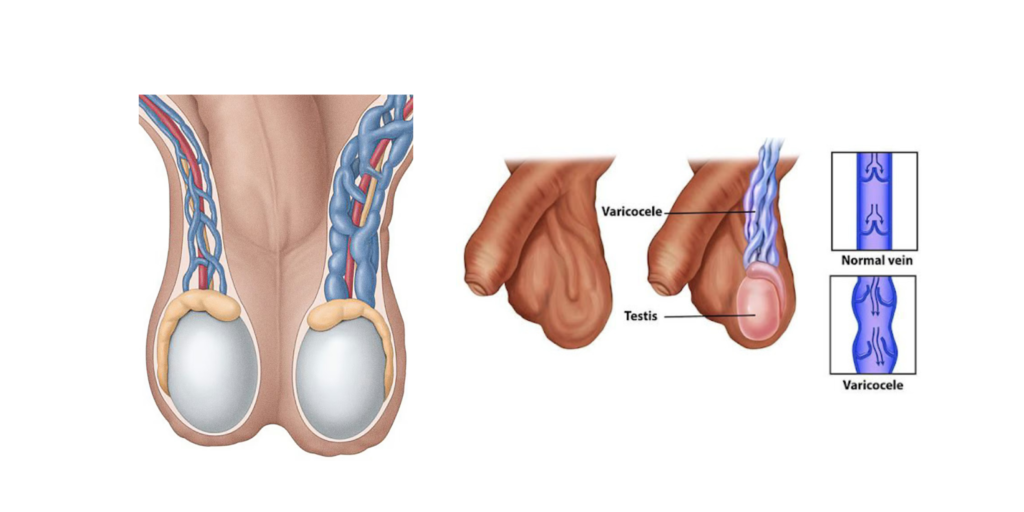
The condition is essentially varicose veins, but in an unfortunate location. Blood pools in the pampiniform plexus—the network of veins that drains the testicles—instead of flowing properly. This raises scrotal temperature, reduces oxygen supply, and creates a cascade of problems. While the exact mechanisms aren’t fully understood, oxidative stress, inflammation, and apoptosis (cell death) appear to play starring roles .
Conventional treatment usually means surgery—varicocelectomy—which ties off the affected veins. It works, but it’s invasive, recovery takes time, and not everyone wants to go under the knife. For mild to moderate cases, or as supportive therapy before or after surgery, natural approaches may help manage symptoms and improve fertility outcomes.
This article explores ten evidence-based natural strategies for managing varicocele—from specific supplements to lifestyle modifications. Each recommendation is grounded in scientific research, with careful attention to what the evidence actually supports and what remains speculative.
Before we begin, an important disclaimer: these approaches are supportive, not curative. They may help manage symptoms and improve fertility parameters, but they cannot reverse the anatomical problem of dilated veins. Always consult a healthcare provider for proper diagnosis and treatment recommendations.
1. Aescin (Horse Chestnut Seed Extract)
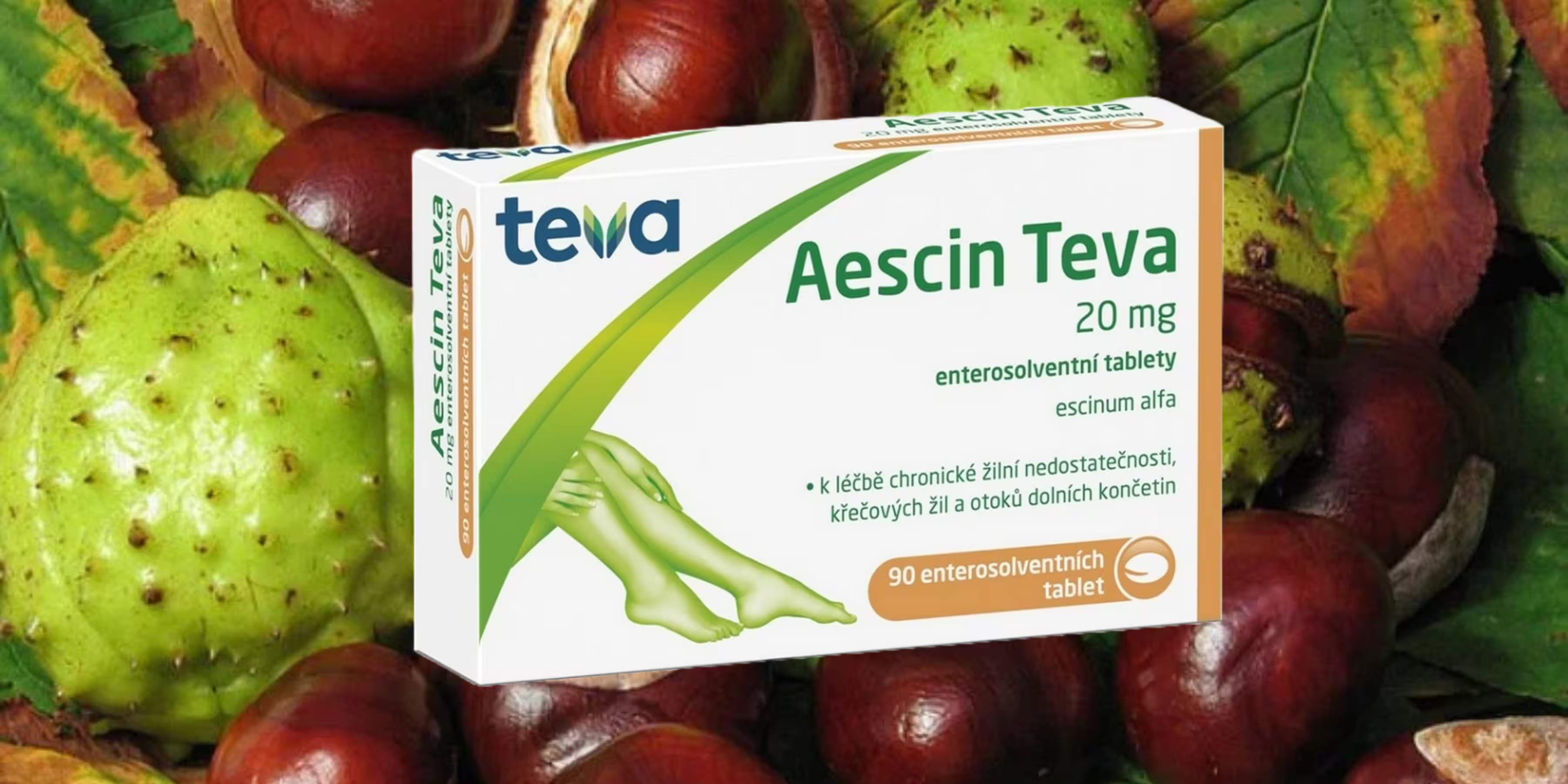
What it is: Aescin is the active compound found in horse chestnut (Aesculus hippocastanum) seeds. It’s a mixture of triterpene saponins that have been studied extensively for vascular conditions .
How it works: Aescin has demonstrated several properties relevant to varicocele:
- Anti-inflammatory effects: It downregulates inflammatory gene expression
- Venotonic properties: It increases vein tone and reduces capillary permeability
- Anti-edematous effects: It helps reduce fluid accumulation by inhibiting enzymes (elastase and hyaluronidase) that break down the extracellular matrix
The evidence: Clinical trials indicate that horse chestnut seed extract (HCSE) or its constituent aescin may be beneficial for varicocele-related infertility . A medical textbook on medicinal herbs notes that HCSE has demonstrated benefits for varicocele-associated infertility in clinical studies . Additionally, aescin may improve sperm quality in patients with varicocele-associated infertility .
Dosage and safety: Typical preparations are standardized to contain 16-20% aescin. Common doses range from 100-150 mg of aescin daily. However, important safety considerations exist:
- Raw horse chestnut seeds are toxic and should never be consumed directly
- Choose products that are aesculin-free (aesculin is a coumarin derivative that can thin blood)
- Do not take with blood thinners like warfarin or aspirin without medical supervision
- Avoid if you have liver or kidney disease
2. Pine Bark Extract (Pycnogenol)
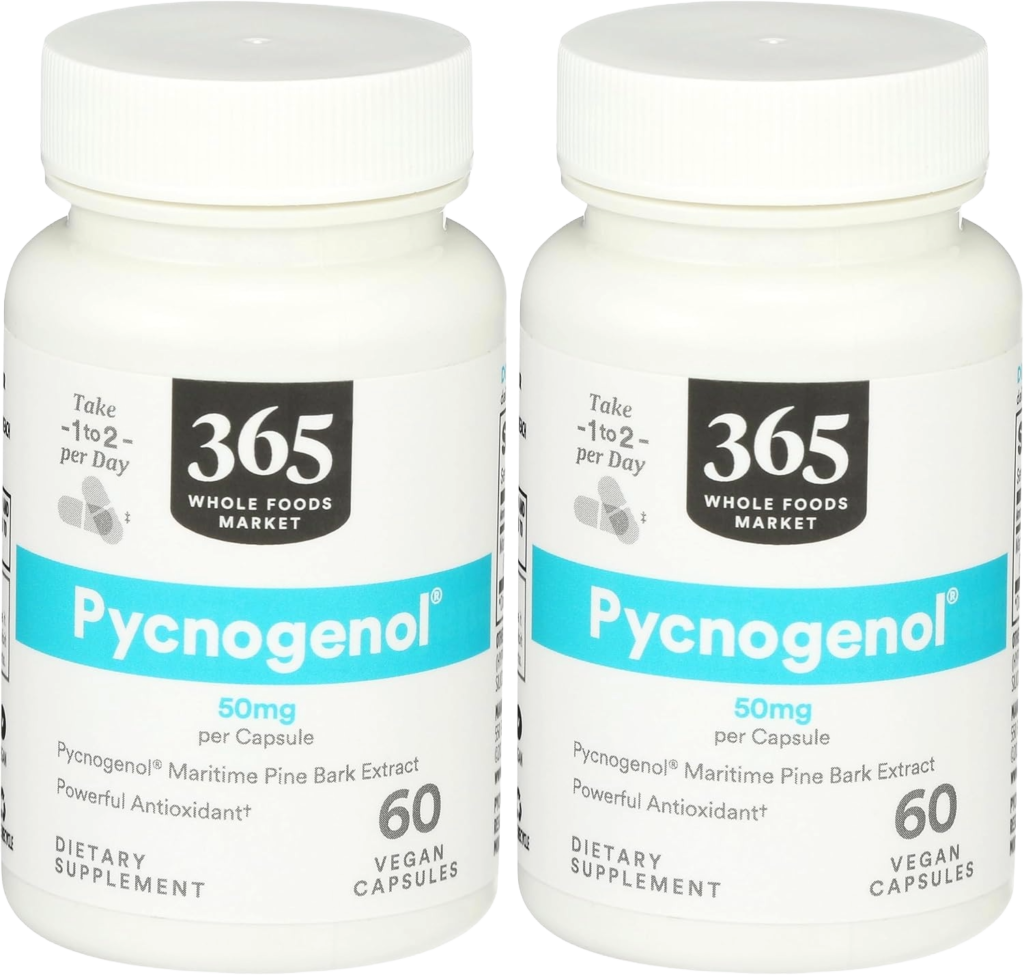
What it is: Pycnogenol is the patented trade name for a water extract of the bark of the maritime pine tree (Pinus pinaster). It contains a unique blend of oligomeric proanthocyanidins and other bioflavonoids .
How it works: Pine bark extract offers multiple mechanisms relevant to varicocele:
- Potent antioxidant activity: It scavenges free radicals involved in inflammatory and degenerative processes
- Vascular protection: It strengthens capillary walls and increases nitric oxide production, leading to better blood flow
- Anti-inflammatory effects: It may help maintain levels of antioxidant vitamins C and E
The evidence: Pycnogenol has been successfully used to treat vascular disorders such as varicose veins and chronic venous insufficiency . A double-blind study found that after two weeks of supplementation, forearm blood flow increased by 42% due to improved endothelial function . While direct varicocele studies are limited, the vascular benefits strongly support its use.
Dosage: Typical adult dosages range from 25 to 200 mg daily. It should be taken during or after meals due to its astringency .
Safety: Pycnogenol is generally well-tolerated and safe, though insufficient evidence exists for use during pregnancy or breastfeeding .
3. Pumpkin Seeds
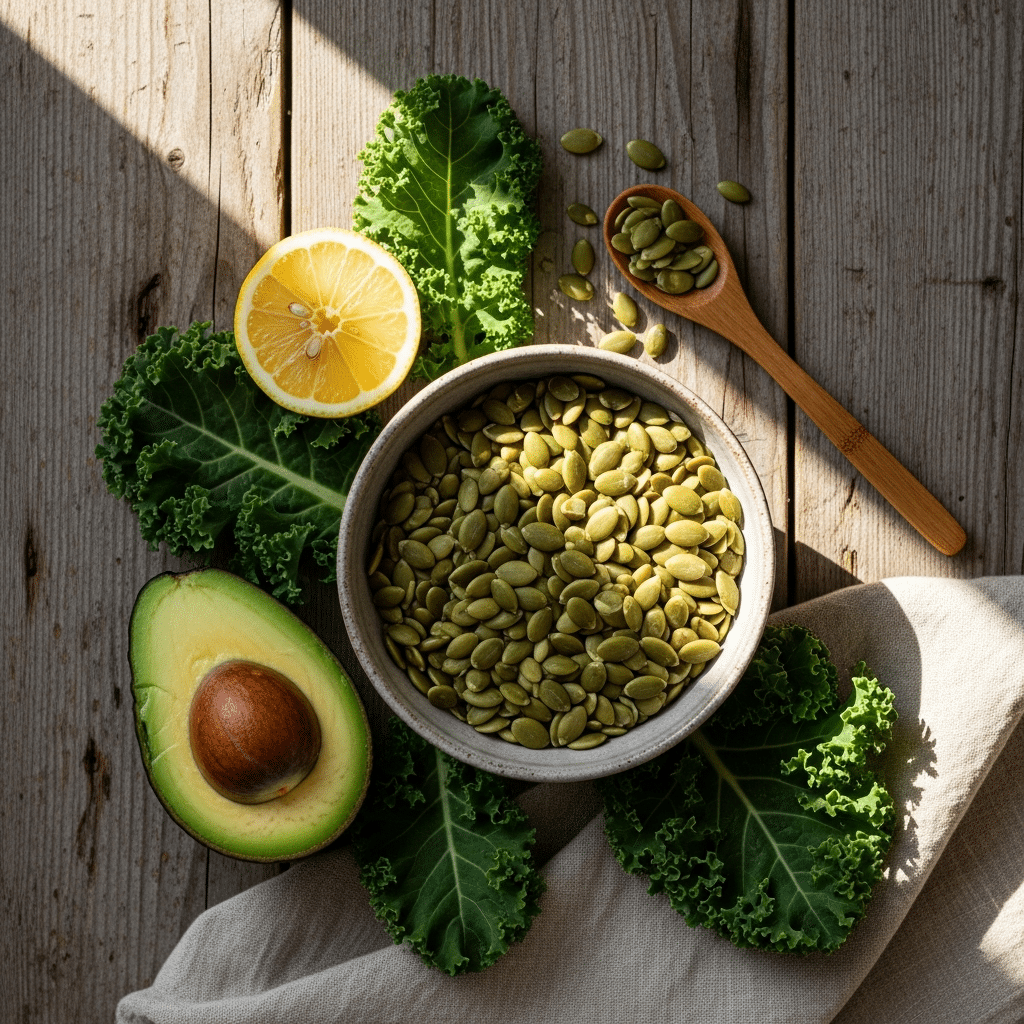
What they are: Pumpkin seeds (Cucurbita pepo) are nutrient-dense seeds rich in zinc, magnesium, healthy fats, and antioxidants.
How they work: Pumpkin seeds support male reproductive health through multiple pathways:
- Zinc content: Zinc is essential for testosterone synthesis and acts as a cofactor for antioxidant enzymes
- Magnesium: Supports enzyme function and may increase free testosterone by reducing SHBG
- Antioxidants: Protect sperm from oxidative damage
The evidence: Zinc-rich foods like pumpkin seeds are particularly important for maintaining normal testosterone levels and supporting male fertility . For men with varicocele, adequate zinc intake may help counteract the oxidative stress that damages sperm.
How to use: Eat 1-2 tablespoons of raw, unsalted pumpkin seeds daily. They can be added to oatmeal, smoothies, salads, or eaten as a snack.
Note: While pumpkin seeds support overall male health, they work best as part of a comprehensive approach rather than a standalone treatment.
4. Walking for 2 Hours

What it is: Regular, moderate physical activity—specifically walking for about 2 hours daily or accumulating 10,000-12,000 steps.
How it works: Walking improves circulation throughout the body, including the pelvic region. Better blood flow can help reduce venous pooling and may alleviate some discomfort associated with varicocele.
The evidence: Regular exercise improves blood circulation, which may help in reducing varicocele naturally . Physical activity promotes overall cardiovascular health and can reduce pressure on the veins in the scrotum . While exercise alone won’t eliminate varicocele, it can help manage symptoms and improve vascular health.
Practical tips:
- Aim for 30-45 minutes of brisk walking twice daily
- Break it into smaller sessions if needed
- Combine with other forms of exercise like swimming or cycling for variety
- Avoid prolonged standing or sitting, which can worsen symptoms
Important: While exercise supports management, it does not cure varicocele. Monitoring progress with regular check-ups is advisable .
5. Grape Seed Extract
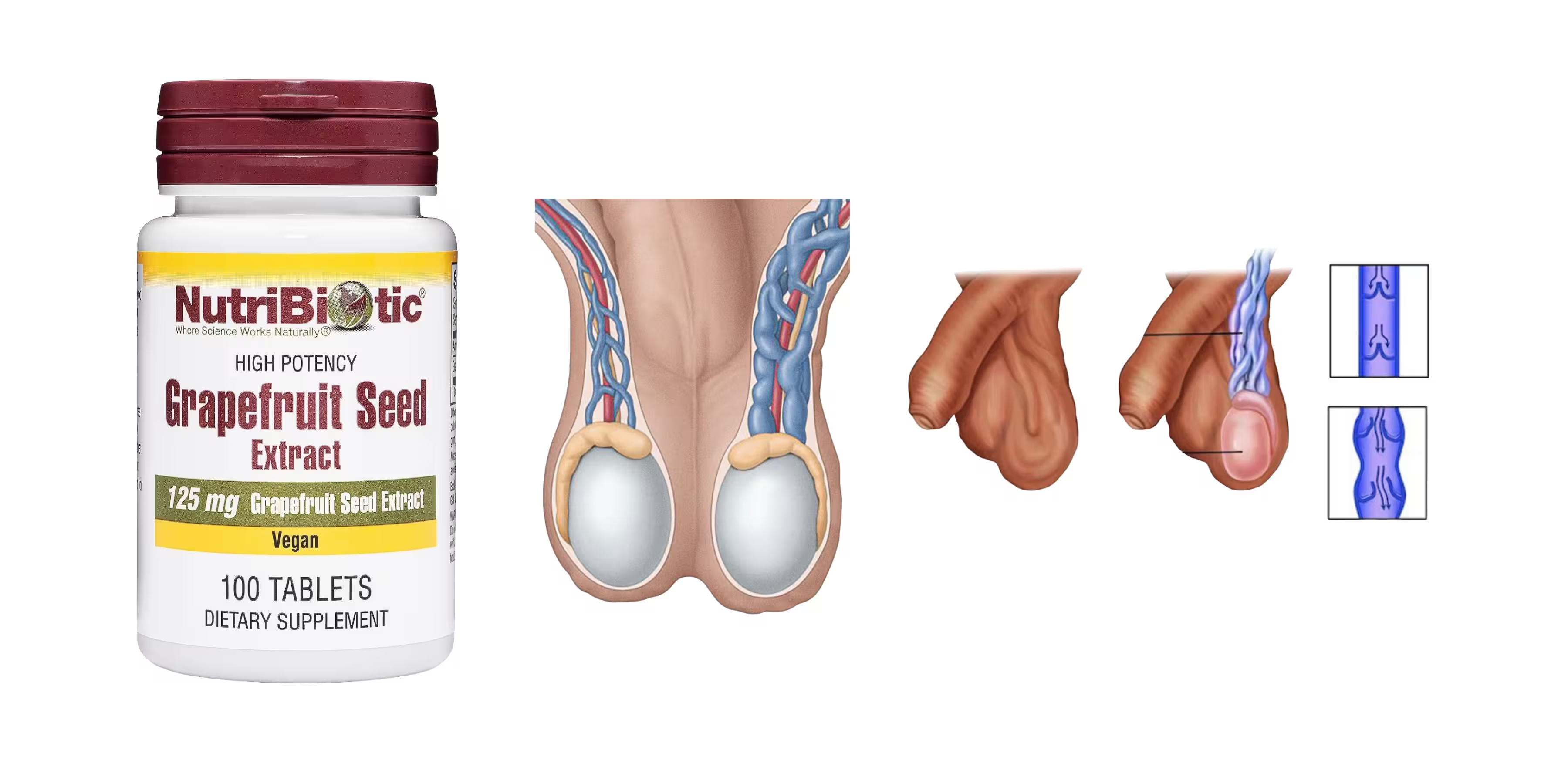
What it is: Grape seed proanthocyanidin extract (GSPE) is derived from the seeds of grapes and is rich in oligomeric proanthocyanidins—powerful antioxidants.
How it works: Research has identified several mechanisms by which grape seed extract protects against varicocele-induced damage:
- Activates the Nrf2 antioxidant pathway: This is a key cellular defense mechanism that triggers the production of protective enzymes
- Increases antioxidant enzymes: GSPE restores superoxide dismutase and glutathione peroxidase activity
- Reduces oxidative stress: It lowers markers of oxidative damage
- Decreases apoptosis: It reduces programmed cell death in testicular tissue
The evidence: A 2018 animal study published in Molecular Medicine Reports investigated grape seed proanthocyanidin extract in rats with surgically induced varicocele . After four weeks of GSPE administration:
- Decreased sperm count and motility were significantly improved
- Pathological changes caused by varicocele were alleviated
- Reduced antioxidant enzyme activity was partially restored
- Elevated oxidative stress levels decreased
- Apoptosis in testicular tissue was reduced
The researchers concluded that GSPE can ameliorate abnormal spermatogenesis and testicular injury in varicocele, potentially due to its antioxidative activity and ability to activate the Nrf2 pathway .
Dosage: While human studies are needed, typical supplement doses range from 100-300 mg daily of standardized extract containing 95% proanthocyanidins.
6. Pomegranate
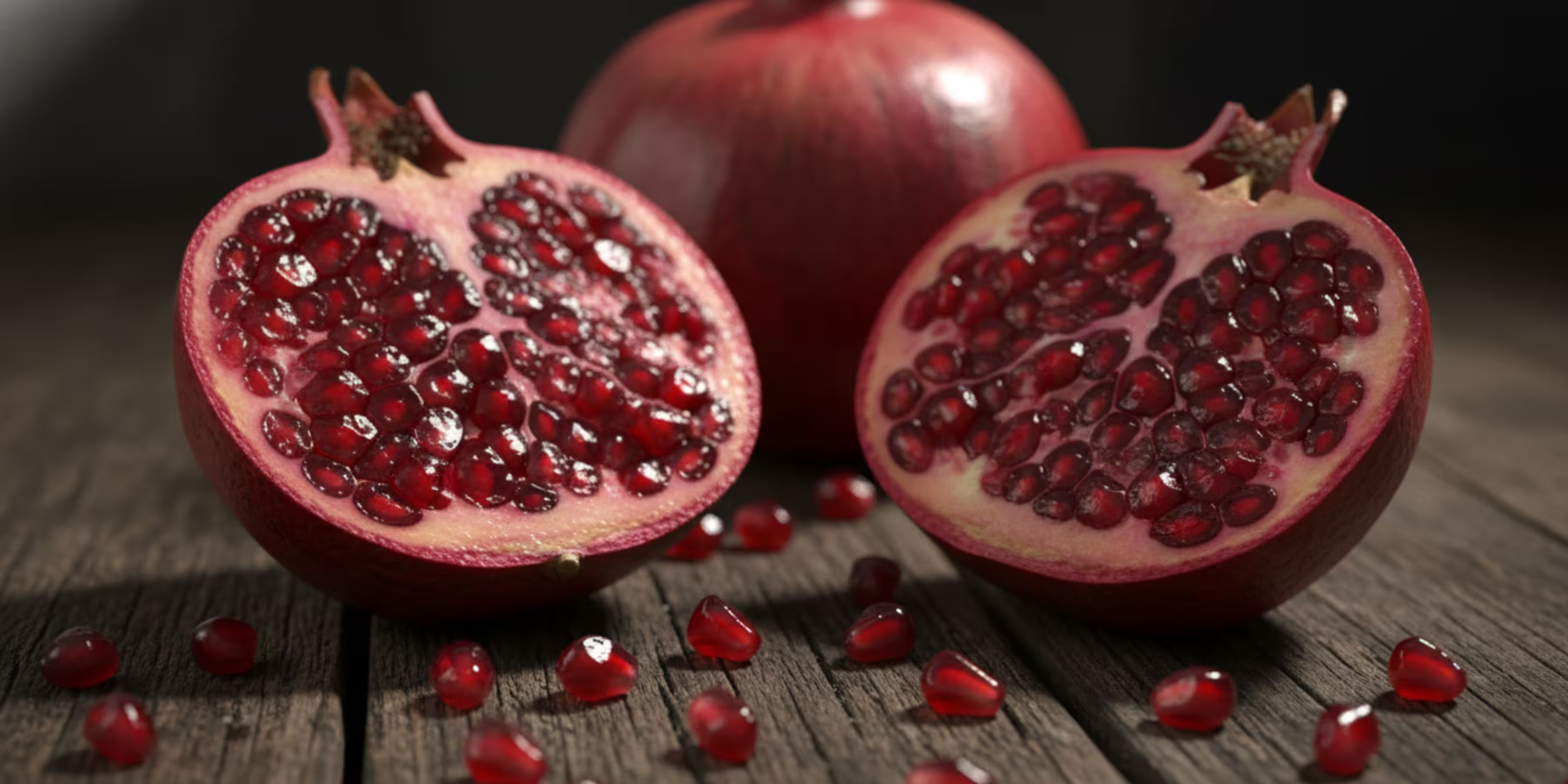
What it is: Pomegranate (Punica granatum) is a fruit rich in phenolic compounds, particularly ellagic acid, with potent antioxidant and anti-inflammatory properties .
How it works: Pomegranate contains multiple bioactive compounds:
- Ellagic acid: A phenolic compound with strong antioxidant activity
- Anthocyanins: Give the fruit its red color and provide anti-inflammatory effects
- Punicalagins: Potent antioxidants that protect cells from oxidative damage
The evidence: Pomegranate has documented anti-inflammatory and antibacterial activities . The fruit is rich in phenolic compounds with strong antioxidant activity, and ellagic acid is one of its main components with phenolic structure and antioxidant activity . These properties make it potentially valuable for counteracting the oxidative stress central to varicocele pathology.
How to use:
- Eat fresh pomegranate seeds (arils) daily
- Drink 100% pure pomegranate juice (no added sugar)
- Consider supplements standardized to ellagic acid content
Note: While direct varicocele studies are limited, the antioxidant and anti-inflammatory properties provide strong theoretical support.
7. Vitamin C
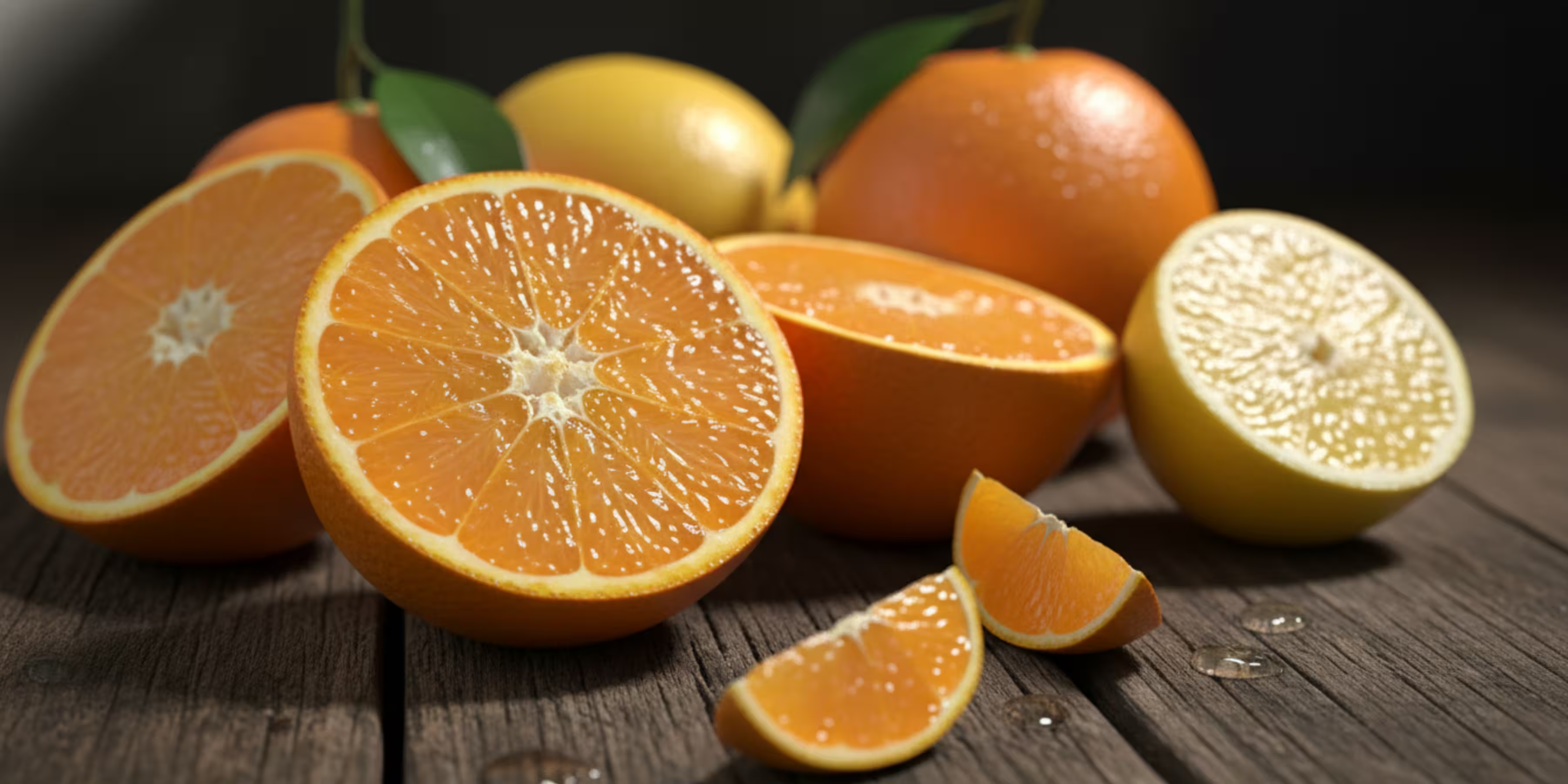
What it is: Vitamin C (ascorbic acid) is a water-soluble antioxidant essential for numerous bodily functions, including collagen synthesis, immune function, and tissue repair.
How it works: Vitamin C neutralizes free radicals in aqueous environments, protecting sperm membranes and DNA from oxidative damage. It also helps recycle vitamin E, another important antioxidant.
The evidence: A 2024 study published in Andrologia examined the effects of vitamin C alone and combined with alpha-lipoic acid in rats with induced varicocele . The findings were nuanced:
- Vitamin C alone did not show significant effectiveness in varicocele-induced rats
- However, when combined with alpha-lipoic acid, it provided protective effects
- The combination improved sperm quality parameters and reduced oxidative stress
This suggests that vitamin C works best as part of a comprehensive antioxidant strategy rather than as a standalone treatment.
Dosage: The study used 100 mg/kg in rats, which translates to approximately 500-1000 mg daily for humans. Food sources include citrus fruits, bell peppers, strawberries, and kiwi.
Note: Fruits high in vitamin C (oranges, grapefruits, lemons) are beneficial for maintaining blood vessel health in men with varicocele .
8. Natural Diet: Oats, Green Foods, and Boiled Foods
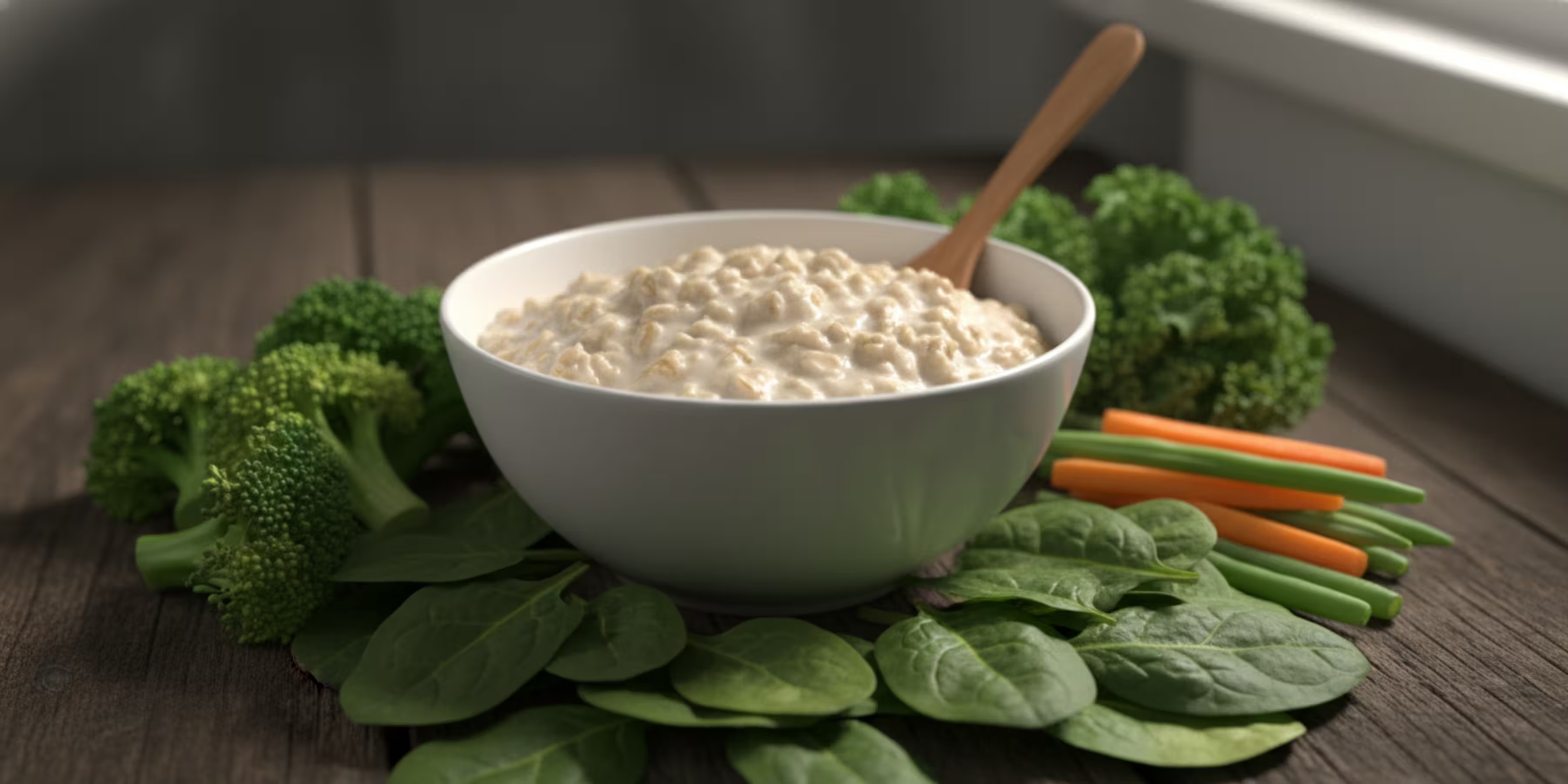
What it is: A whole-foods diet emphasizing oats, green vegetables, and gently cooked (boiled/steamed) preparations—essentially a Mediterranean-style eating pattern.
How it works: This dietary approach targets multiple aspects of varicocele pathology:
- Anti-inflammatory effects: Many plant foods contain compounds that reduce inflammation
- Antioxidant support: Fruits and vegetables provide vitamins C, E, and polyphenols
- Fiber: Oats provide beta-glucan, which supports cardiovascular health
- Reduced AGEs: Gentle cooking methods minimize the formation of advanced glycation end-products that contribute to oxidative stress
The evidence: A 2022 scientific review in the International Journal of Molecular Sciences examined the relationship between varicocele, functional foods, and nutraceuticals . The researchers found that many functional foods of natural origin and nutraceuticals particularly abundant in the Mediterranean diet showed anti-inflammatory effects in varicocele .
They concluded: “As the current literature demonstrates convincing associations between diet, food components and fertility, the rational intake of nutraceuticals, which are particularly abundant in foods typical of plant-based eating patterns, may be a reliable therapeutic supportive care against varicocele and, consequently, could be very useful in the cure of fertility-associated problems in patients” .
Specific recommendations:
Oats and whole grains:
- Provide sustained energy and fiber
- Support healthy blood flow
- Choose steel-cut or rolled oats over instant varieties
Green vegetables:
- Leafy greens like spinach and kale are rich in antioxidants and support vascular health
- Broccoli and bell peppers provide additional antioxidant benefits
- Aim for at least 3-4 servings daily
Boiled/steamed preparations:
- Gentle cooking preserves nutrients
- Reduces formation of harmful compounds compared to frying or grilling
- Soups, stews, and steamed vegetables should form the basis of meals
9. Exercise for Varicocele

What it is: Targeted physical activity designed to improve pelvic circulation and reduce symptoms.
How it works: Exercise improves blood flow, strengthens supporting muscles, and may reduce venous pressure in the scrotal area.
The evidence: While no definitive evidence suggests exercise can cure varicocele completely, certain activities may contribute to improving blood circulation and reducing discomfort . Regular physical activity, such as walking, jogging, or cycling, can promote overall cardiovascular health and improve blood flow throughout the body, including the affected area .
Specific exercises that may help:
Pelvic floor exercises (Kegels):
- Strengthen pelvic muscles
- Improve blood circulation in the genital area
- May alleviate symptoms over time
Yoga and stretching:
- Focus on lower body poses
- Reduce tension and improve flexibility
- May enhance blood flow and reduce pressure on veins
Swimming:
- Low-impact full-body exercise
- Cool water may help with temperature regulation
Important: Exercises should complement—not replace—medical care. If discomfort persists or fertility is affected, consulting a healthcare professional is essential .
10. Putting It All Together: A Comprehensive Approach
The ten strategies discussed work best as an integrated approach rather than isolated interventions. Here’s how they complement each other:
| Approach | Primary Benefit | Best Combined With |
|---|---|---|
| Aescin | Vascular tone, anti-inflammatory | Pine bark extract, vitamin C |
| Pine bark extract | Endothelial function, antioxidant | Grape seed extract, walking |
| Pumpkin seeds | Zinc, mineral support | Whole foods diet |
| Walking | Circulation, venous return | All supplements |
| Grape seed extract | Nrf2 activation, antioxidant | Vitamin C, pomegranate |
| Pomegranate | Polyphenol antioxidants | Mediterranean diet |
| Vitamin C | Aqueous antioxidant | Alpha-lipoic acid, grape seed |
| Natural diet | Foundational nutrition | All approaches |
| Exercise | Circulation, muscle support | Walking, yoga |
Sample daily protocol:
- Morning: Walk 30-45 minutes + oatmeal with pumpkin seeds and pomegranate seeds
- Mid-day: Green salad with leafy greens, bell peppers, lemon juice
- Supplements (with meals): Aescin (100 mg), grape seed extract (150 mg), pine bark extract (100 mg), vitamin C (500 mg)
- Afternoon: Walk 30 minutes or pelvic floor exercises
- Evening: Steamed vegetables with lean protein, fresh fruit
- Throughout day: Adequate hydration, avoid prolonged sitting
Important Considerations and Realistic Expectations
What natural approaches can do:
- Reduce oxidative stress and inflammation
- Improve sperm quality parameters
- Alleviate discomfort
- Support overall vascular health
- Enhance fertility outcomes
What they cannot do:
- Reverse the anatomical problem of dilated veins
- Replace surgery for severe, painful, or fertility-threatening varicoceles
- Guarantee results—individual responses vary
When to seek medical care:
- Pain or discomfort that interferes with daily life
- Testicular atrophy (shrinkage)
- Fertility problems after 6-12 months of trying
- Rapid growth or changes in the varicocele
The bottom line: Natural approaches to varicocele management have genuine scientific support—particularly for reducing oxidative stress and improving fertility parameters. A 2025 randomized controlled trial on Lycium barbarum (similar antioxidant principles) showed significant improvements in sperm count, motility, morphology, and testosterone levels in varicocele patients .
However, these strategies work best as supportive care, not replacements for medical treatment when needed. The wisest approach combines respect for traditional knowledge with the clarity of modern diagnosis and the humility to acknowledge what we don’t yet know.
Resources
- PubMed: Lycium barbarum and varicocele RCT (2025)
- PubMed: Grape seed extract and varicocele (2018)
- Wiley Online Library: Vitamin C and alpha-lipoic acid study (2024)
- PubMed: Varicocele, functional foods and nutraceuticals review (2022)
- Memorial Sloan Kettering Cancer Center: Horse Chestnut Professional Monograph