Varicocele affects millions of men worldwide, yet many don’t discover they have it until fertility becomes a concern. The condition—enlarged veins in the scrotum similar to varicose veins—creates a cascade of problems: increased scrotal temperature, reduced oxygen supply, oxidative stress, and impaired sperm production.
While surgery remains the standard treatment for severe cases, a growing body of research supports the use of natural supplements to manage symptoms, reduce oxidative damage, and improve fertility outcomes. The right supplements can complement medical treatment or, for mild cases, provide meaningful support on their own.
This article examines eight of the most evidence-backed supplements for varicocele. For a broader dietary approach, check out our guide on top natural foods for varicocele patients.
1. Aescin (Horse Chestnut Extract)
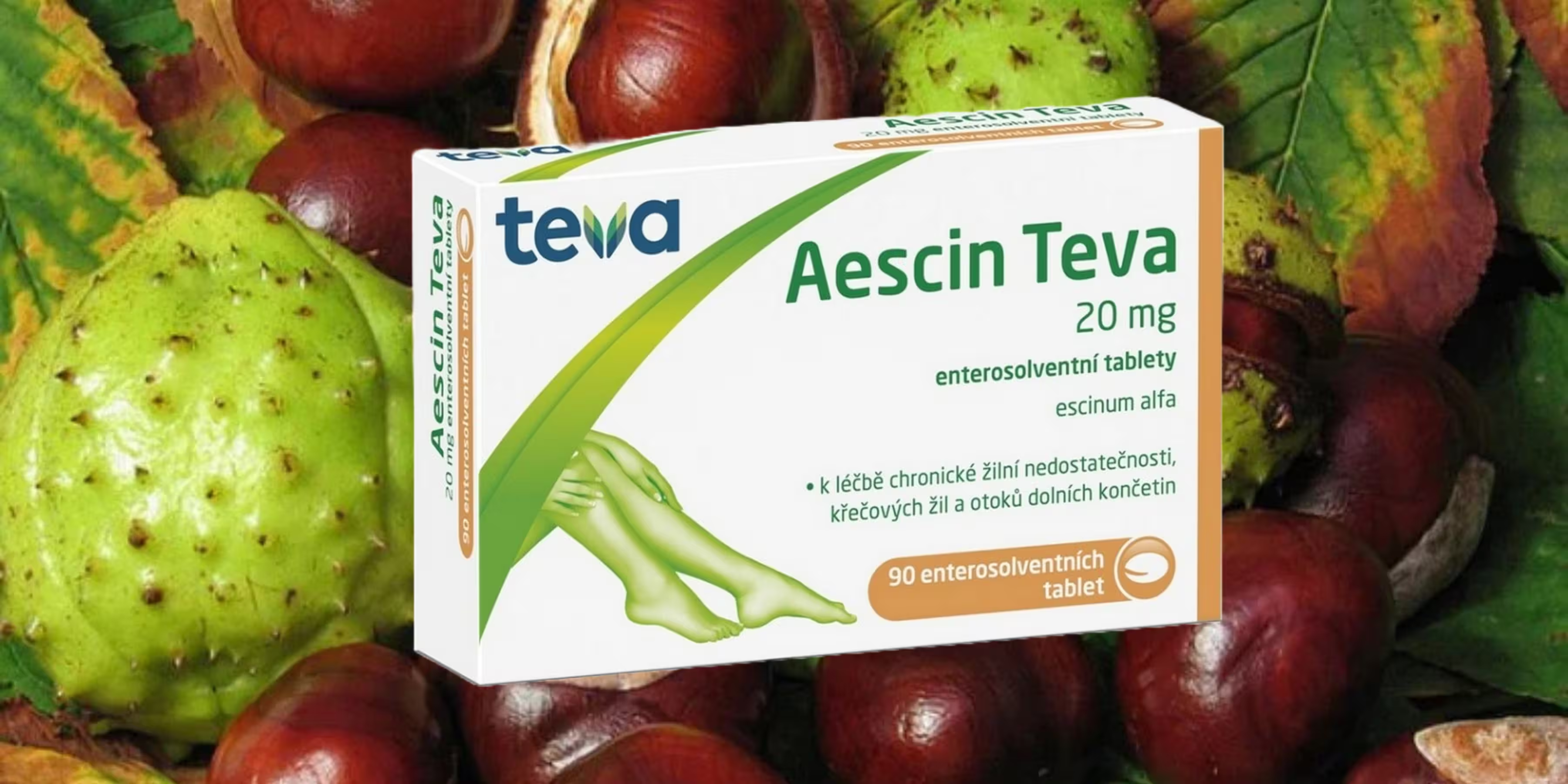
What it is: Aescin is the active compound found in horse chestnut seeds (Aesculus hippocastanum). It’s a mixture of triterpene saponins with powerful venotonic properties according to a comprehensive review in the National Center for Biotechnology Information.
The evidence: A clinical study published in the National Medical Journal of China examined 120 varicocele patients who received either microsurgery alone or surgery combined with aescin (300mg twice daily for 6 months). The results were compelling:
- Sperm motility improvement: 83.7% in the combination group vs. 60.0% in surgery alone (P < 0.05)
- Pain resolution: 94.4% in combination group vs. 76.2% in surgery alone (P < 0.05)
- No complications in the combination group, compared to two cases of scrotal edema and one recurrence in surgery alone
This research, documented in PubMed, demonstrates aescin’s significant benefits for varicocele patients.
How it works: Aescin strengthens vein walls by inhibiting enzymes (elastase and hyaluronidase) that break down the extracellular matrix, as explained in this biochemistry study. It also reduces capillary permeability, preventing fluid leakage and edema.
Dosage: 100-150mg aescin daily, divided into two doses. Look for products standardized to 16-20% aescin content and ensure they’re “aesculin-free” (raw horse chestnut is toxic).
For a detailed comparison with other venotonic supplements, see our article on Aescin vs Pycnogenol for varicocele.
2. Pycnogenol (French Maritime Pine Bark Extract)
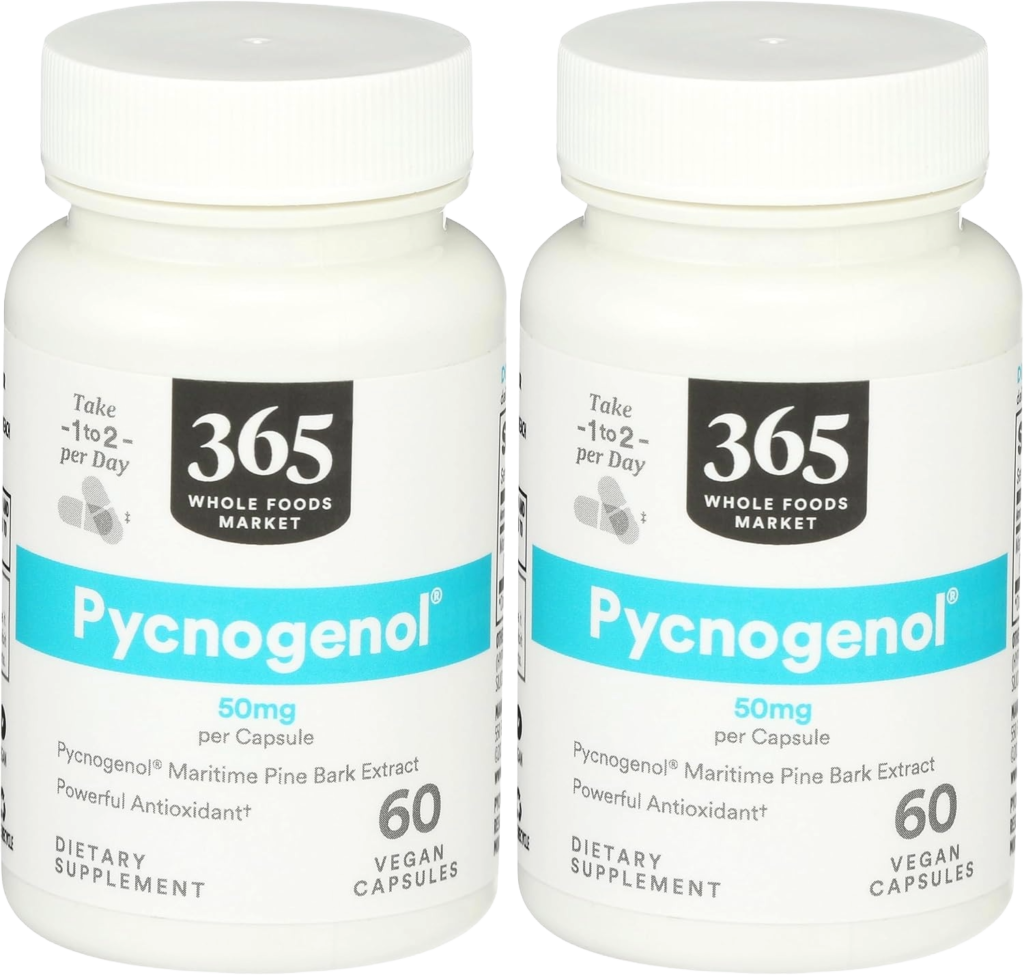
What it is: Pycnogenol® is a patented extract from the bark of the French maritime pine (Pinus pinaster), rich in proanthocyanidins with specific benefits for venous health. According to a clinical trial in PubMed, it has significant effects on chronic venous insufficiency.
The evidence: While direct varicocele studies are limited, Pycnogenol has extensive research for chronic venous insufficiency (CVI)—a mechanistically similar condition. A double-blind study published in Phytotherapy Research found that Pycnogenol (100mg three times daily for 2 months) significantly improved leg heaviness and subcutaneous edema in CVI patients. Venous pressure was reduced, and capillary leakage decreased.
How it works: Pycnogenol stimulates endothelial nitric oxide production, improving blood flow and reducing venous pressure. Its proanthocyanidins also provide potent antioxidant protection for vascular endothelium, as detailed in this nitric oxide research.
Dosage: 100-150mg daily, divided into 2-3 doses. Treatment should continue for at least 8-12 weeks to assess benefits.
For a detailed protocol, read our guide on what happens when you take Pycnogenol 50mg twice daily for 6 months.
👉 Find authentic Pycnogenol on Amazon: Browse here
3. Grape Seed Extract
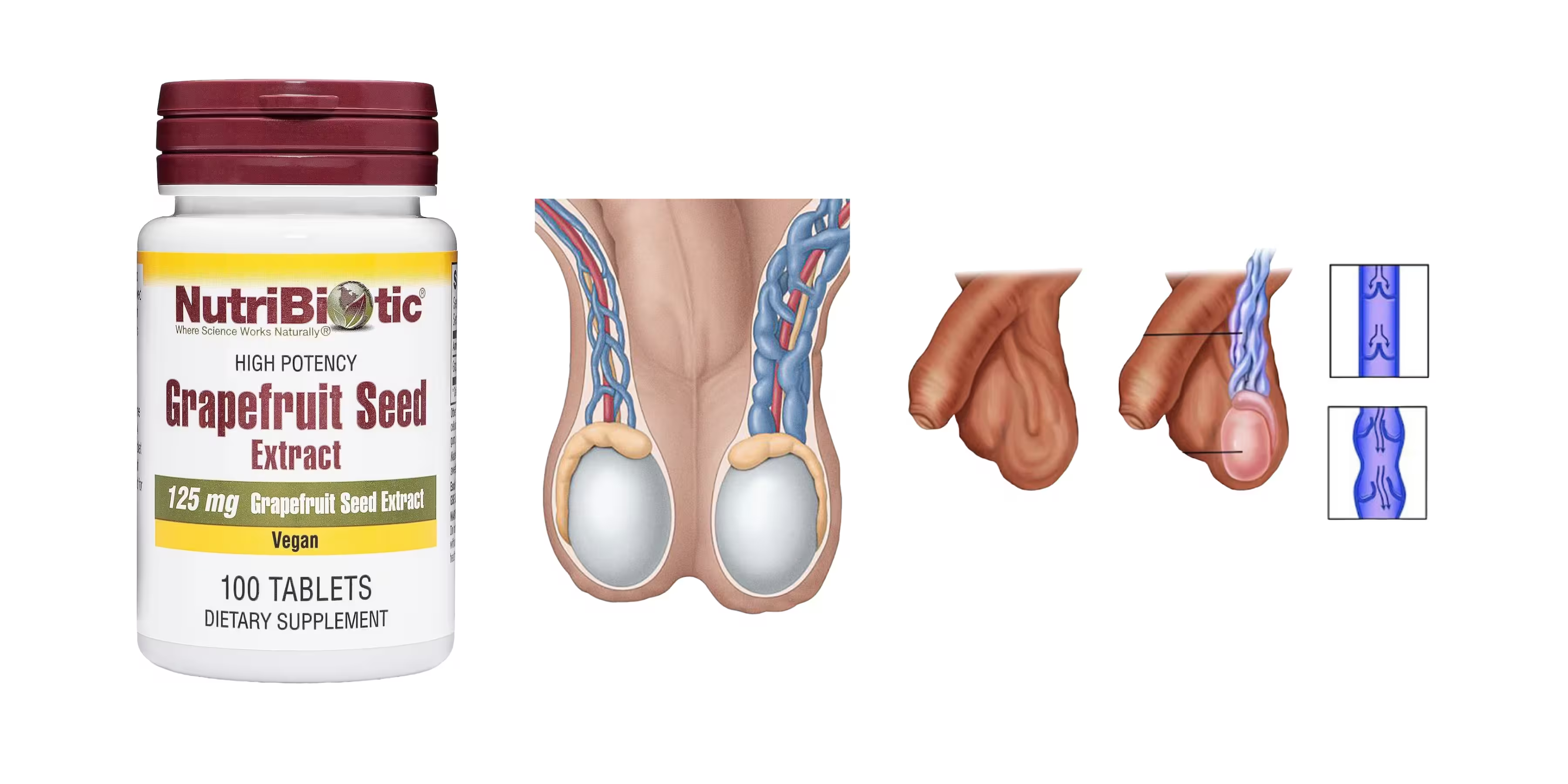
What it is: Grape seed extract is derived from the seeds of red grapes (Vitis vinifera) and is exceptionally rich in oligomeric proanthocyanidins (OPCs). A Food for Health monograph details its composition and traditional uses.
The evidence: A 2018 animal study published in Molecular Medicine Reports investigated grape seed proanthocyanidin extract (GSPE) in rats with surgically induced varicocele. After 4 weeks of GSPE administration:
- Decreased sperm count and motility were significantly improved
- Pathological changes in testicular tissue were alleviated
- Reduced antioxidant enzyme activity was partially restored
- Apoptosis in testicular tissue was reduced
The study uncovered a key mechanism: GSPE activates the Nrf2 pathway, the body’s master antioxidant defense system.
How it works: Grape seed extract activates Nrf2, which triggers the production of protective antioxidant enzymes, as explained in this PubMed study. It also directly scavenges free radicals and protects sperm DNA from oxidative damage.
Dosage: 100-300mg daily of extract standardized to 95% proanthocyanidins. For a comparison with Pycnogenol, see our article on Pycnogenol vs Grape Seed Extract.
👉 Buy quality grape seed extract on Amazon: Shop now
4. Vitamin K2 (5mg)
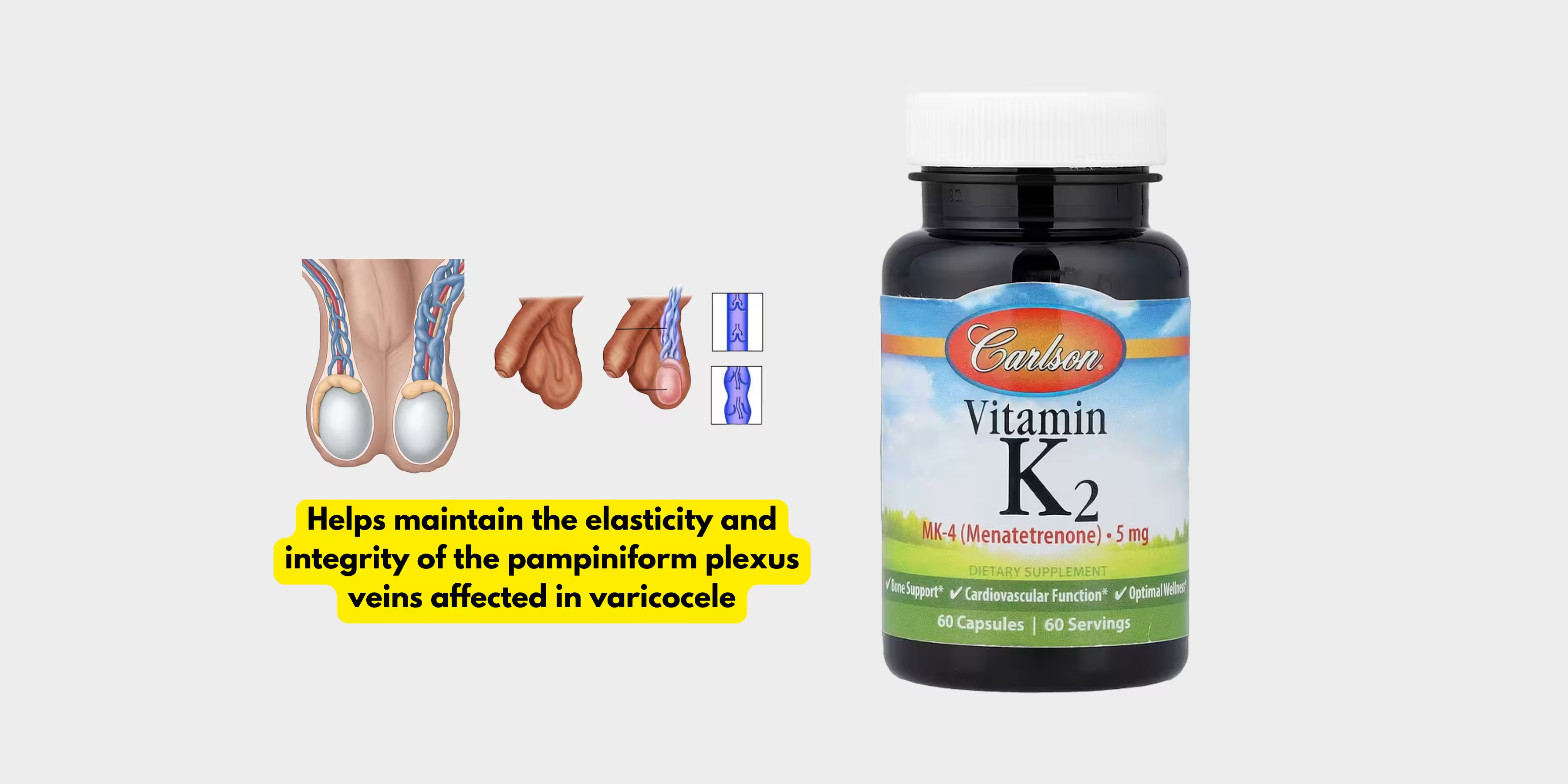
What it is: Vitamin K2 (menaquinone) is a fat-soluble vitamin essential for directing calcium to bones and away from soft tissues, including blood vessels. The National Institutes of Health provides comprehensive information on its functions.
The evidence: A medical hypothesis published in Medical Hypotheses proposed that varicoceles may be linked to vitamin K insufficiency. The hypothesis suggests that vitamin K plays a crucial role in preventing calcification of vein walls and abnormal smooth muscle cell proliferation—both factors in varicocele formation.
The research points to several key findings:
- Vitamin K activates Matrix Gla Protein (MGP), which inhibits vascular calcification
- Poor vitamin K status may lead to weakened vein walls and valve dysfunction
- The EPIC-Heidelberg study found that vitamin K intake was associated with reduced risk of advanced prostate cancer, suggesting broader vascular benefits
How it works: Vitamin K2 activates proteins that keep calcium in bones and out of blood vessels, as detailed in this vascular health research. This may help maintain the elasticity and integrity of the pampiniform plexus veins affected in varicocele.
Dosage: 5mg (5000μg) daily of vitamin K2 as MK-7 form for better absorption. Note: If you’re taking blood thinners like warfarin, consult your doctor before supplementing with vitamin K.
👉 Get vitamin K2 supplements (5mg) on Iherb: Check options
5. Vitamin D3
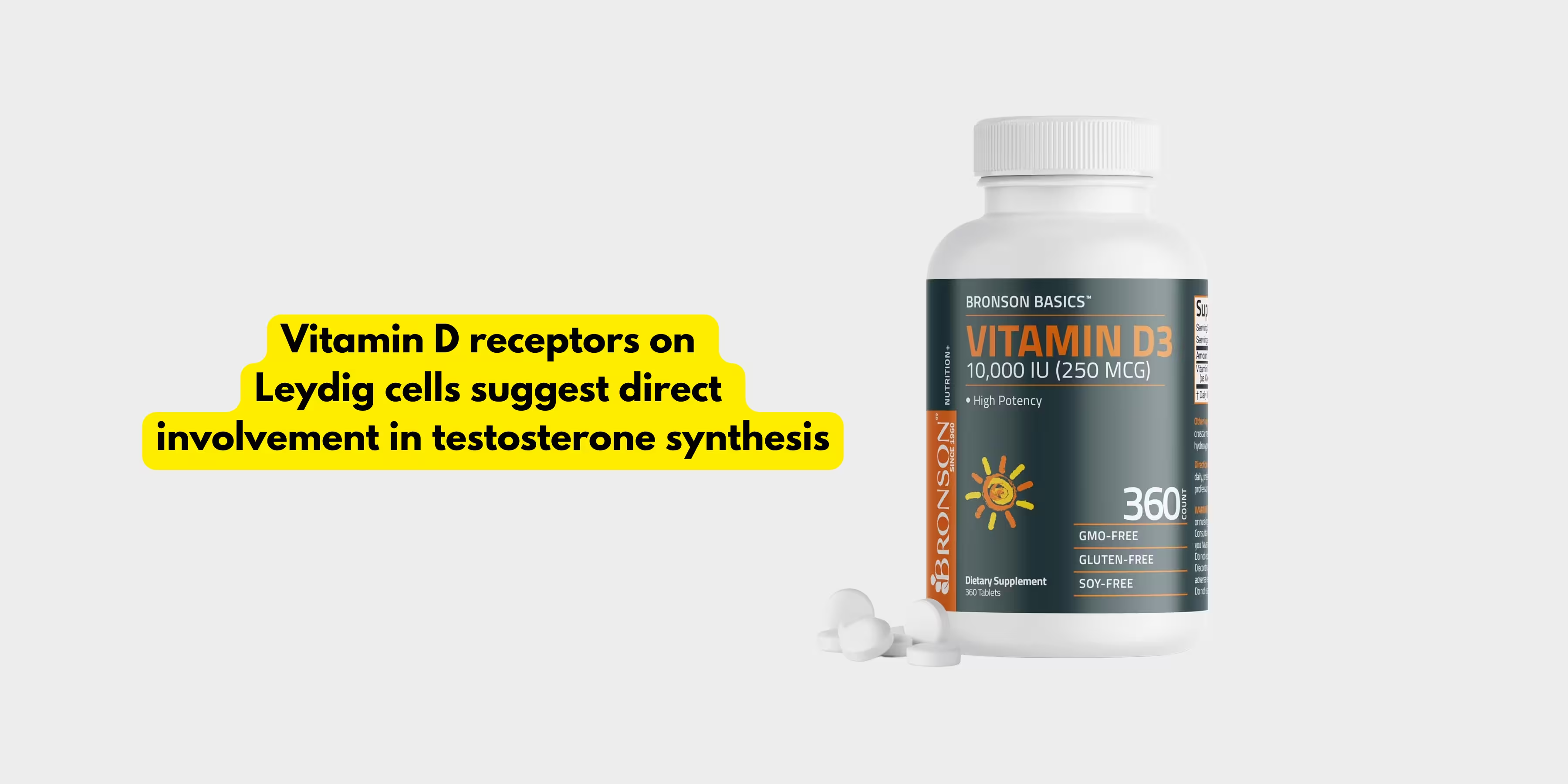
What it is: Vitamin D3 (cholecalciferol) is a fat-soluble vitamin that functions as a hormone, with receptors found throughout the body—including in testicular tissue. The NIH Office of Dietary Supplements provides extensive information on its roles.
The evidence: Research has established important links between vitamin D and male reproductive health. A 2016 study in Human Reproduction found that vitamin D deficiency is associated with lower semen quality and altered sex steroid levels in infertile men. The authors concluded that the associations “support the existence of a cross-link between regulators of calcium homeostasis and gonadal function in infertile men.”
A 2023 systematic review of antioxidant interventions for male infertility, as summarized in PMC, noted that multiple studies have examined vitamin D’s role in sperm health. While results are mixed, there’s evidence that:
- Vitamin D receptors are present on sperm and in testicular tissue
- Vitamin D may influence sperm motility and calcium signaling
- Correcting deficiency may improve fertility outcomes
How it works: Vitamin D receptors on Leydig cells suggest direct involvement in testosterone synthesis. Vitamin D also regulates calcium, which is essential for sperm function and blood vessel health.
Dosage: 2000-4000 IU daily, ideally based on blood testing. Most men benefit from at least 2000 IU daily, especially with limited sun exposure.
For more on hormonal support, see our testosterone supplement guide.
👉 Shop vitamin D3 on Amazon: Browse here
6. Coenzyme Q10 (CoQ10)
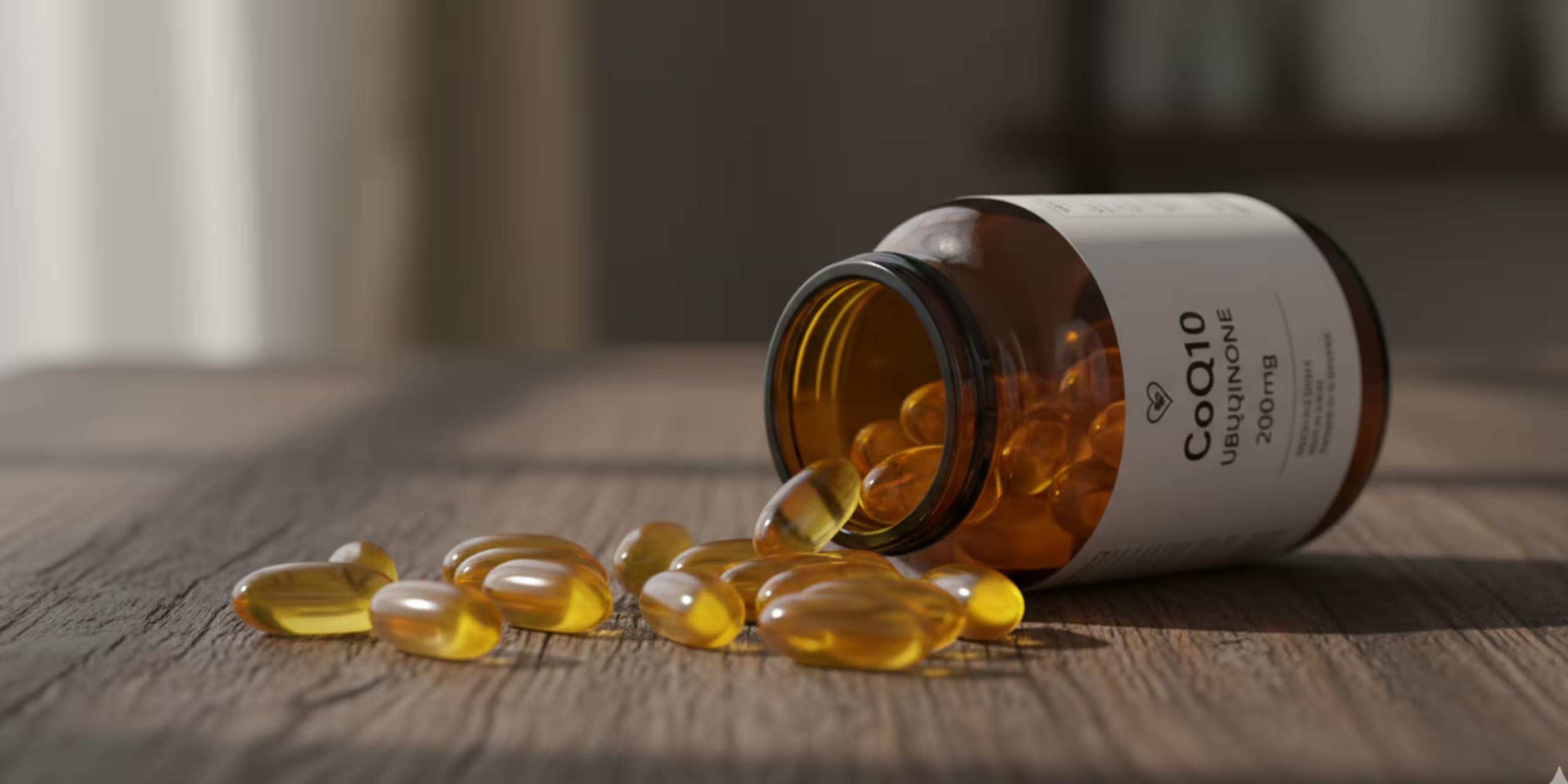
What it is: CoQ10 is a vitamin-like compound essential for mitochondrial energy production and a potent antioxidant. The Oregon State University Linus Pauling Institute provides comprehensive information on its biochemistry.
The evidence: Multiple studies support CoQ10 for male fertility, including in varicocele patients. A 2013 randomized controlled trial by Nadjarzadeh and colleagues, indexed in PubMed, found that CoQ10 supplementation (200mg daily for 3 months) in infertile men with oligoasthenoteratozoospermia significantly improved semen parameters and antioxidant enzyme activity while reducing oxidative stress.
Another study cited in the PMC systematic review found that antioxidant treatment including CoQ10 improved sperm DNA integrity in grade I varicocele patients.
How it works: CoQ10 supports mitochondrial function in sperm cells (which require enormous energy for motility) and protects testicular tissue from oxidative damage. Leydig cells that produce testosterone also depend on healthy mitochondria.
Dosage: 200-300mg daily of ubiquinone or 100-200mg of the more absorbable ubiquinol form.
👉 Buy CoQ10 supplements on Amazon: Shop now
7. L-Arginine
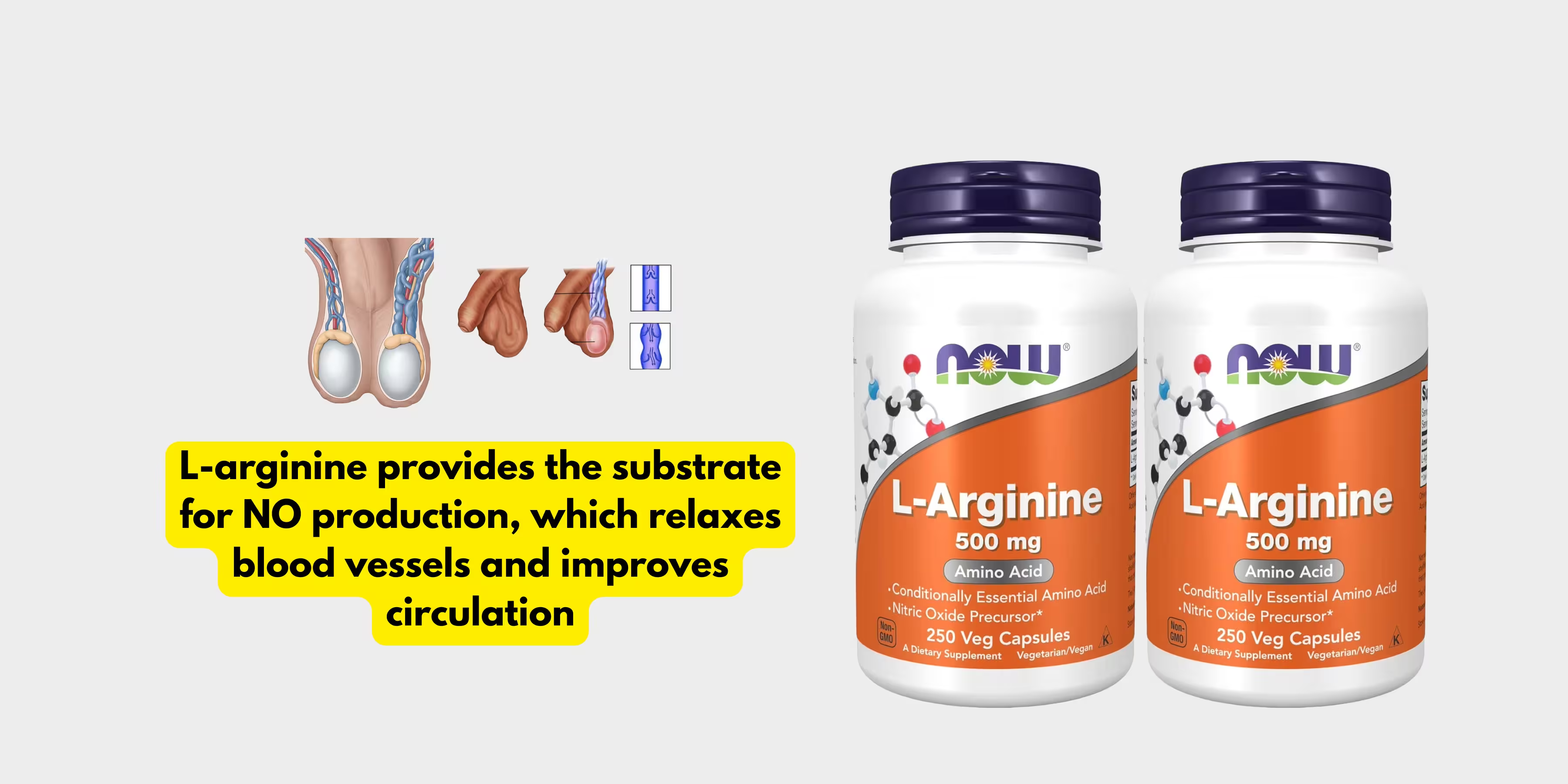
What it is: L-arginine is a semi-essential amino acid and the precursor for nitric oxide (NO) production in blood vessels. The PMC database contains extensive research on its vascular effects.
The evidence: Research has established that nitric oxide plays a complex role in varicocele pathophysiology. A study in the Journal of Pediatric Surgery examined NO production in adolescents with varicocele and found dramatically elevated levels in the spermatic veins. Serum L-hydroxyarginine (a NO synthase by-product) was 55 times higher in spermatic veins compared to peripheral veins (176.8 ± 32.3 μmol/L vs. 3.38 ± 0.64 μmol/L, P = 0.0004).
This finding is significant because it confirms the involvement of the NO pathway in varicocele. While NO is essential for healthy blood flow, excessive production contributes to oxidative stress. This makes the L-arginine-NO pathway a therapeutic target—supporting healthy NO balance rather than simply increasing it.
How it works: L-arginine provides the substrate for NO production, which relaxes blood vessels and improves circulation. For varicocele, the goal is supporting healthy endothelial function without exacerbating oxidative stress.
Dosage: 2-3 grams daily. Start with lower doses and monitor tolerance. Note: L-arginine can activate herpes viruses in susceptible individuals and may interact with blood pressure medications.
👉 Get L-arginine on Amazon: Check options
How These Supplements Work Together
Understanding the mechanisms helps explain why these eight supplements complement each other:
| Supplement | Primary Role | Mechanism |
|---|---|---|
| Aescin | Venotonic | Strengthens vein walls, reduces capillary permeability |
| Pycnogenol | Endothelial support | Stimulates NO production, antioxidant |
| Grape Seed Extract | Antioxidant master switch | Activates Nrf2 pathway |
| Vitamin K2 | Vascular calcification prevention | Activates MGP, directs calcium away from veins |
| Vitamin D3 | Hormonal support | Supports testosterone, calcium homeostasis |
| CoQ10 | Mitochondrial support | Cellular energy, antioxidant |
| L-Arginine | NO precursor | Supports healthy blood flow |
Synergistic combinations to consider:
- Aescin + Pycnogenol: Combines direct venotonic effects with endothelial support
- Grape seed extract + Vitamin C: Enhances antioxidant protection (vitamin C regenerates other antioxidants)
- CoQ10 + L-arginine: Supports both cellular energy and circulation
- Vitamins D3 + K2: Work together for calcium direction and vascular health
Important Caveats and Realistic Expectations
What these supplements can do:
- Reduce oxidative stress in testicular tissue
- Improve venous tone and blood flow
- Decrease inflammation and discomfort
- Potentially improve sperm parameters
- Support overall vascular health
What they cannot do:
- Reverse anatomical varicocele (dilated veins may persist)
- Replace surgery for severe, painful, or fertility-threatening cases
- Work overnight—effects require consistent use for weeks or months
- Guarantee results for everyone—individual responses vary
Safety considerations:
- Always consult a healthcare provider before starting any supplement regimen
- Raw horse chestnut is toxic—only use standardized, aesculin-free extracts
- Vitamin K interacts with blood thinners—medical supervision essential
- L-arginine may activate herpes viruses in susceptible individuals
- Quality matters—choose reputable brands with third-party testing
For a comprehensive natural protocol, see our complete varicocele solutions guide.
Practical Supplementation Protocol
Based on the evidence, here’s a sample protocol to discuss with your healthcare provider:
| Time | Supplements | Notes |
|---|---|---|
| Morning | Vitamin D3 2000-4000 IU, Vitamin K2 5mg | Take with breakfast (fat-soluble) |
| Lunch | Pycnogenol 50mg, Grape seed extract 100mg | With food for absorption |
| Dinner | Aescin 50-75mg, CoQ10 100mg, L-arginine 1g | Evening dose, monitor tolerance |
Duration: Most studies show benefits after 3-6 months of consistent use. Reassess with your healthcare provider after 3 months.
For more on natural approaches, read our comparison of Pycnogenol vs Grape Seed Extract.
The Bottom Line
These eight supplements represent some of the most evidence-backed natural options for supporting varicocele management:
- Aescin has direct clinical research showing improved sperm motility and pain relief when combined with surgery
- Pycnogenol offers extensive research for venous health
- Grape seed extract activates the Nrf2 pathway to combat oxidative stress
- Vitamin K2 may help prevent vascular calcification
- Vitamin D3 supports overall reproductive health
- CoQ10 provides mitochondrial support and antioxidant protection
- L-arginine supports healthy NO balance and circulation
The best approach combines targeted supplementation with a healthy diet, regular exercise, and stress management. For dietary guidance, see our article on top foods for varicocele patients.
As always, consult a healthcare provider before starting any supplement regimen, especially if you’re considering surgery or have underlying health conditions. These supplements are tools to support your health—not replacements for medical care when it’s needed.