If you’ve been researching natural approaches to varicocele, two names keep appearing: Aescin (from horse chestnut) and Pycnogenol (from French maritime pine). Both are venoactive compounds with decades of research behind them. Both strengthen veins and reduce inflammation. And both are frequently recommended for men dealing with varicocele-related concerns.
But here’s the question that actually matters: which one is better for you?
The honest answer? It depends on your specific situation—your primary symptoms, your goals, and even your budget.
This article provides a head-to-head comparison of Aescin and Pycnogenol based on the available science. We’ll look at their mechanisms, what research specifically supports for varicocele, their strengths and limitations, and how to choose between them.
For broader context on natural varicocele management, you might want to check out our comprehensive evidence-based guide that covers multiple approaches.
First, Understanding Venoactive Compounds
Both Aescin and Pycnogenol belong to a class called venoactive compounds—substances that improve venous tone and reduce capillary permeability. They work through different mechanisms but share common goals:
- Strengthening vein walls
- Reducing inflammation
- Decreasing oxidative stress
- Improving blood flow
- Preventing fluid leakage from capillaries
A 2020 systematic review published in the Journal of Vascular Surgery: Venous and Lymphatic Disorders confirmed that venoactive compounds can significantly reduce pain, edema, and other symptoms associated with venous disorders—which is directly relevant to varicocele.
But while they share these general properties, the specific compounds and research supporting Aescin versus Pycnogenol differ in important ways. For another comparison of popular options, see our article on Pycnogenol vs Grape Seed Extract.
Aescin: The Horse Chestnut Powerhouse
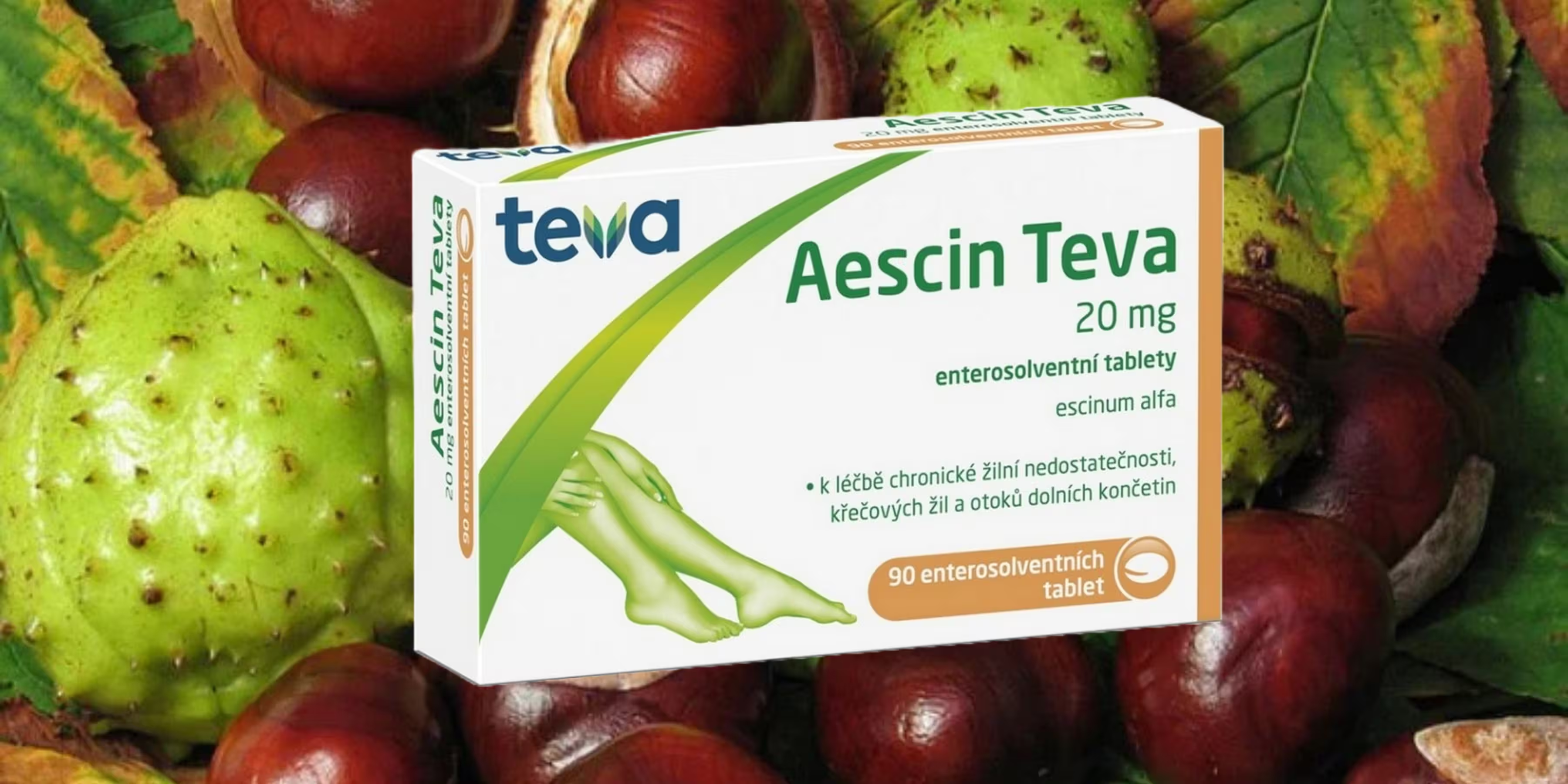
What it is: Aescin is the active compound found in horse chestnut seeds (Aesculus hippocastanum). It’s actually a mixture of triterpene saponins, with beta-aescin being the primary active component ².
How it works: Aescin has multiple mechanisms relevant to varicocele:
- Venotonic effects: It increases vein tension and promotes rhythmic contractions of vein walls, helping push blood upward against gravity
- Anti-inflammatory: It inhibits enzymes (like elastase and hyaluronidase) that break down the extracellular matrix in vein walls ³
- Anti-edematous: It reduces capillary permeability, preventing fluid from leaking into surrounding tissues
- Free radical scavenging: It provides antioxidant protection to vascular endothelium
The evidence: Aescin has been extensively studied for chronic venous insufficiency (CVI)—a condition mechanistically similar to varicocele. Multiple clinical trials demonstrate its effectiveness:
- A meta-analysis of 17 randomized controlled trials found horse chestnut extract significantly reduced leg pain, edema, and pruritus compared to placebo
- The effects were comparable to compression stockings—the standard conservative treatment for CVI
- A 2024 study published in Andrology specifically examined aescin in patients with varicocele-associated infertility and found improvements in sperm quality parameters
Safety profile: Aescin is generally well-tolerated, but important precautions exist:
- Raw horse chestnut seeds are toxic and should never be consumed directly
- Choose products that are aesculin-free (aesculin is a coumarin derivative that can thin blood)
- Do not take with blood thinners without medical supervision
- Typical dosage: 100-150mg aescin daily, often divided into two doses
For more detailed information, read our dedicated article on Aescin for Varicocele: The Natural Venotonic Solution Backed by Science.
👉 Ready to try Aescin? Shop top-rated horse chestnut supplements on Amazon
Pycnogenol: The Pine Bark Extract
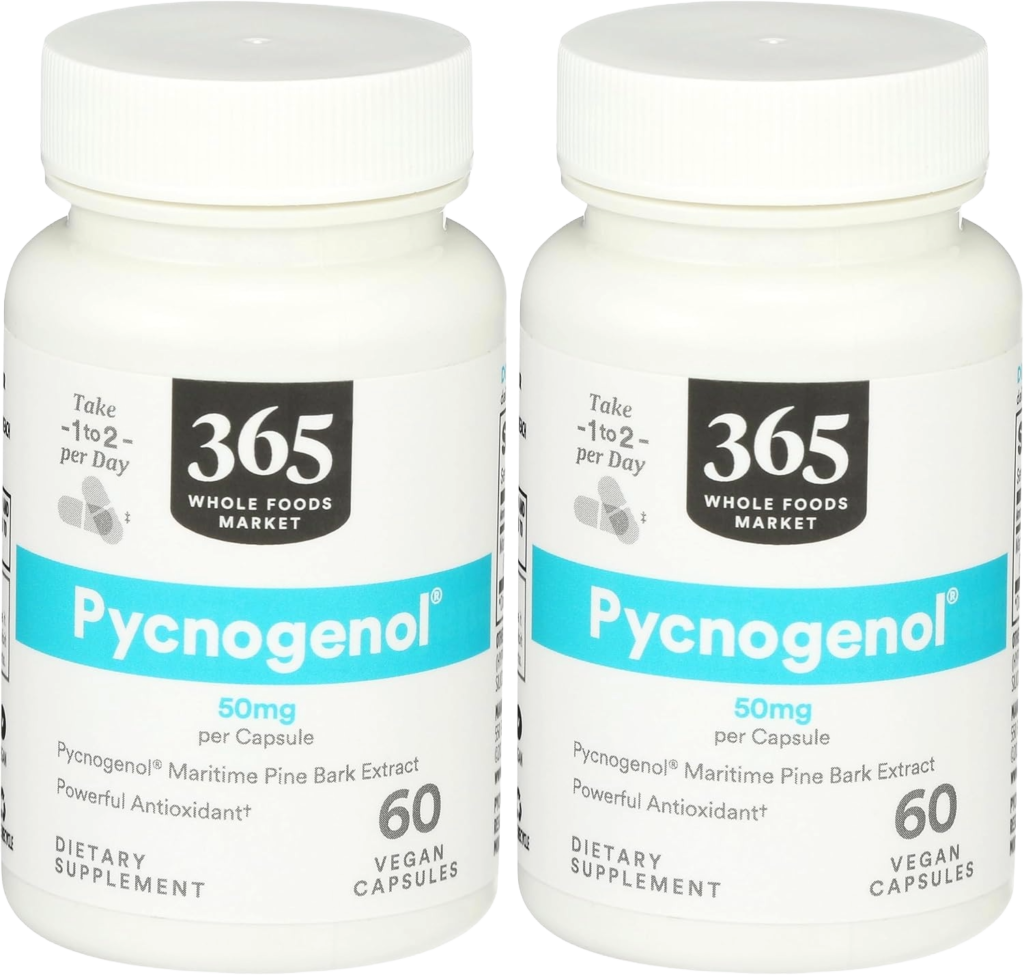
What it is: Pycnogenol is the registered trademark for a specific extract from the bark of the French maritime pine (Pinus pinaster). It’s a standardized product with over 30 years of clinical research ⁴.
How it works: Pycnogenol offers multiple mechanisms:
- Endothelial function: It stimulates nitric oxide production, improving blood flow and reducing venous pressure ⁵
- Antioxidant protection: Its proanthocyanidins neutralize free radicals that damage vein walls
- Anti-inflammatory: It reduces inflammatory mediators like NF-κB
- Capillary strengthening: It protects collagen and elastin from enzymatic degradation
The evidence: Pycnogenol has substantial research for venous conditions:
- A double-blind study published in Phytotherapy Research found that Pycnogenol (100mg three times daily for 2 months) significantly improved leg heaviness and subcutaneous edema in CVI patients
- Venous pressure was significantly reduced
- Capillary leakage and perivascular inflammation decreased
- Research indicates Pycnogenol can increase forearm blood flow by 42% after just two weeks ⁶
For a detailed look at dosing and timelines, see our article on What Happens If You Take Pycnogenol 50mg Twice Daily for 6 Months.
Safety: Pycnogenol has an excellent safety profile with few side effects reported in clinical trials ⁴. It’s well-tolerated even with long-term use.
👉 Looking for authentic Pycnogenol? Browse genuine Pycnogenol supplements on Amazon
Head-to-Head Comparison: Key Factors
1. Primary Mechanism
| Factor | Aescin | Pycnogenol |
|---|---|---|
| Primary action | Venotonic (vein contraction) | Endothelial function (nitric oxide) |
| Secondary action | Anti-edematous, anti-inflammatory | Antioxidant, anti-inflammatory |
| Unique mechanism | Inhibits enzymes that degrade vein wall matrix ³ | Stimulates nitric oxide production ⁵ |
Clinical implication: Aescin may be more directly effective for reducing venous pooling and edema. Pycnogenol may be better for overall vascular health and blood flow.
2. Research Specificity for Varicocele
| Factor | Aescin | Pycnogenol |
|---|---|---|
| Direct varicocele studies | Yes (2024 study on infertility) ⁷ | None identified |
| CVI studies | Extensive (17+ RCTs) ⁸ | Extensive (multiple RCTs) ⁴ |
| Fertility research | Yes (sperm quality improvements) ⁷ | Limited |
Aescin has a slight edge here, with direct research on varicocele-associated infertility. However, Pycnogenol’s extensive CVI research is highly relevant since the mechanisms are similar.
3. Standardization and Consistency
| Factor | Aescin | Pycnogenol |
|---|---|---|
| Standardization | Variable by brand | Patented, consistent |
| Quality control | Depends on manufacturer | Strict, proprietary process |
| Research applicability | Varies by product | Directly applicable |
Pycnogenol wins on consistency—it’s a patented ingredient with strict quality control. Aescin products vary widely, so choosing a reputable brand is essential.
4. Onset of Effects
| Factor | Aescin | Pycnogenol |
|---|---|---|
| Acute effects | Days to weeks | Days to weeks |
| Full benefits | 4-8 weeks | 4-8 weeks |
| Duration of treatment | 2-3 months typically | 2-3 months typically |
Both require consistent use for at least 8 weeks to assess full benefits.
5. Safety Considerations
| Factor | Aescin | Pycnogenol |
|---|---|---|
| Common side effects | Mild GI upset (rare) | Very rare |
| Drug interactions | Blood thinners (caution) | Blood thinners (caution) |
| Contraindications | Liver/kidney disease, raw seeds | Autoimmune diseases |
Both are safe when used appropriately, but Aescin requires more caution regarding product quality (avoiding raw seeds and aesculin content).
6. Cost
| Factor | Aescin | Pycnogenol |
|---|---|---|
| Average monthly cost | $15-30 | $30-60 |
| Availability | Widely available | Widely available |
| Brand variability | High | Low (patented ingredient) |
Pycnogenol is generally more expensive because it’s a patented, branded ingredient. Aescin is more budget-friendly but requires careful brand selection.
Which One Should You Choose?
Based on the evidence, here’s a framework for deciding:
Choose Aescin if:
- Your primary symptoms include scrotal heaviness, swelling, or discomfort (Aescin’s anti-edematous effects are well-documented) ³
- You’re concerned about fertility parameters (the 2024 study specifically examined aescin for varicocele-associated infertility) ⁷
- You want a budget-friendly option
- You’re willing to research brands carefully to ensure quality and safety
👉 Shop Aescin supplements on Amazon
Choose Pycnogenol if:
- You want the most extensively researched ingredient for venous health generally ⁴
- You’re willing to pay more for a patented, standardized product with guaranteed consistency
- You’re interested in overall vascular health beyond just varicocele symptoms
- You value the extensive clinical safety data and predictable quality
Consider using both: Some experts suggest that since these extracts have different primary mechanisms—Aescin as a direct venotonic and Pycnogenol as an endothelial supporter—they may work synergistically. A combination approach could potentially offer enhanced benefits, though always consult a healthcare professional before combining supplements.
For more on complementary approaches, read our article on Varicocele Natural Solutions: The Complete Evidence-Based Guide.
Practical Dosage Recommendations
Aescin:
- Typical dosage: 100-150mg aescin daily, divided into two doses
- Choose products standardized to 16-20% aescin content
- Look for “aesculin-free” formulations
- Take with food to minimize potential GI upset
- Treatment course: 8-12 weeks initially, then reassess
👉 Find quality Aescin supplements here
Pycnogenol:
- For venous support: 100-150mg daily, divided into 2-3 doses
- The CVI studies used 100mg three times daily for 2 months ⁴
- Typical maintenance: 50-100mg daily
- Take with meals for best absorption
👉 Check genuine Pycnogenol options
Both should be taken consistently for at least 8-12 weeks to assess effects, as vascular remodeling and antioxidant protection build over time.
For context on how these fit into a broader male health protocol, see our guide on 10 Natural Supplements to Increase Male Testosterone.
Important Caveats and Realistic Expectations
What these supplements can do:
- Reduce oxidative stress in testicular tissue
- Improve venous tone and reduce blood pooling
- Decrease inflammation and associated discomfort
- Potentially improve sperm parameters (supported by some research) ⁷
- Alleviate symptoms like heaviness and swelling ⁸
What they cannot do:
- Reverse anatomical varicocele (dilated veins may persist)
- Replace surgery for severe, painful, or fertility-threatening cases
- Work overnight—effects require consistent use for weeks
- Guarantee results for everyone—individual responses vary
A 2025 study on Lycium barbarum for varicocele showed significant improvements after 90 days of antioxidant treatment—similar timelines likely apply to both Aescin and Pycnogenol.
For another potent option in the natural varicocele toolkit, read about Pycnogenol for Varicocele: The Natural Treatment Breakthrough.
Integrating with Other Natural Approaches
Both Aescin and Pycnogenol work best as part of a comprehensive strategy:
| Approach | Role | Complements |
|---|---|---|
| Aescin | Primary venotonic | Pycnogenol, grape seed extract |
| Pycnogenol | Endothelial supporter | Aescin, vitamin C |
| Grape seed extract | Nrf2 activation | Both Aescin and Pycnogenol |
| Diet | Foundational support | All supplements |
| Exercise | Circulation improvement | All approaches |
For a complete protocol, see our article on Testofen for Testosterone and Male Vitality—while focused on testosterone, it discusses complementary herbs that may support overall male reproductive health.
The Bottom Line
Both Aescin and Pycnogenol are excellent natural options for supporting vascular health and reducing symptoms in varicocele. They work through different but complementary mechanisms:
Aescin is the more specific venotonic—directly improving vein wall contraction and reducing edema. It has direct research for varicocele-associated infertility ⁷ and is more budget-friendly, though quality varies by brand.
Pycnogenol offers broader vascular support through nitric oxide enhancement and endothelial protection ⁵. It’s the more extensively researched ingredient overall, with guaranteed consistency, but comes at a higher price point.
For men concerned primarily about swelling and discomfort, Aescin may have a slight edge. For those focused on overall vascular health and willing to invest in a patented product, Pycnogenol is compelling. And for some, the combination may offer the best of both worlds.
The honest answer? You probably can’t go wrong with either, provided you choose quality products and maintain realistic expectations. Both represent evidence-based options in the natural management of varicocele.
As always, consult a healthcare provider before starting any supplement regimen, especially if you’re considering higher doses or combination approaches.
👉 Ready to start your natural varicocele protocol? Shop both Aescin and Pycnogenol on Amazon